
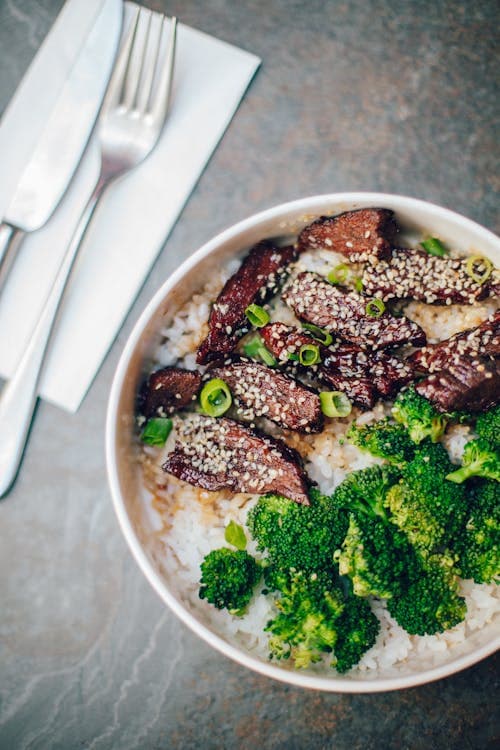
Beef and Broccoli Recipe
Beef and Broccoli Recipe
This beef and broccoli recipe delivers restaurant-quality stir fry at home in under 30 minutes, with tender seared beef, crisp bright-green broccoli, and a savory glossy sauce made from pantry staples. By combining techniques from top recipe developers and the secrets Chinese restaurants use to velvet their beef, this guide gives you everything you need to make the best homemade beef and broccoli you have ever tasted.
A great beef and broccoli recipe is one of those essential dishes that every home cook should master. It is one of the most ordered Chinese takeout dishes in America for good reason: the combination of seared beef strips, crisp-tender broccoli, and a rich savory-sweet sauce served over steamed rice is deeply satisfying in a way that few other quick dinners can match. The good news is that making it at home is faster, cheaper, and better than ordering delivery, and this guide will show you exactly how.
We studied recipes from some of the best sources online, including Sharon Wong at Nut Free Wok, the test kitchen at Lee Kum Kee, Kelly Senyei at Just a Taste, and Natasha Kravchuk at Natasha's Kitchen, and combined their best techniques into one comprehensive guide. We also pulled tips from home cooks across Reddit's r/Cooking community and other online cooking forums to fill in the gaps and give you every advantage.
Why This Beef and Broccoli Recipe Beats Takeout
The average beef and broccoli takeout order costs between $12 and $16 for a single serving. This homemade version feeds four people for roughly $10 total, or about $2.50 per plate. That alone makes it worth learning, but cost is only part of the story.
When you make beef and broccoli at home, you control exactly what goes into the sauce. No mystery thickeners, no excessive sodium, no MSG if you prefer to avoid it. You choose the quality of the beef, how crisp you want the broccoli, and whether the sauce leans sweet, savory, or somewhere in between. As Natasha's Kitchen puts it, this homemade version has "better flavors and textures" than what you get from most takeout restaurants, and it takes less time than waiting for a delivery driver.
Sharon Wong at Nut Free Wok also points out a benefit that many recipe sites overlook: cooking at home lets you accommodate food allergies. Her recipe provides substitutions for soy, gluten, oyster, and cornstarch allergies, something no takeout menu will do for you.
Choosing the Best Cut of Beef
The cut of beef you choose makes or breaks this dish. Every source we studied agrees: flank steak is the gold standard for beef and broccoli stir fry. It is lean, flavorful, and has a well-defined grain that makes it easy to slice correctly.
Sharon Wong recommends flat iron steak or flap meat, which she notes is called "chow gno yook" in Cantonese, literally meaning "stir fry beef." She describes these cuts as "tender and easy to cut across the grain," and they are often more affordable than flank steak depending on your local market.
Natasha's Kitchen calls flank steak "the best cut of beef for stir fry because it's tender, lean, and easy to chew," while also suggesting top sirloin, top round, tri-tip, or ribeye as alternatives.
Here is a quick comparison of the best cuts for stir fry:
| Cut | Price Range | Tenderness | Best For |
|---|---|---|---|
| Flank Steak | $8-12/lb | Very good when sliced thin | Classic beef and broccoli |
| Flat Iron | $7-10/lb | Excellent | Budget-friendly option |
| Flap Meat | $6-9/lb | Very good | Authentic Cantonese style |
| Top Sirloin | $7-11/lb | Good | All-purpose stir fry |
| Top Round | $5-8/lb | Good when velveted | Maximum budget savings |
How to Slice Beef for Stir Fry
Every source we reviewed emphasizes the same critical technique: slice against the grain. Look at the lines running through the meat (those are muscle fibers) and cut perpendicular to them. This shortens the fibers and makes each bite tender rather than chewy.
The thickness matters too. Natasha's Kitchen recommends slicing between 1/8 and 1/4 inch thick, noting that "thinner beef cooks faster and absorbs sauce better." The universal trick for getting thin, even slices is to freeze the steak for 20 to 30 minutes before cutting. The firmer texture makes it dramatically easier to slice cleanly. Home cooks on Reddit's r/Cooking community frequently recommend this freezer trick as the single best tip for improving homemade stir fry.
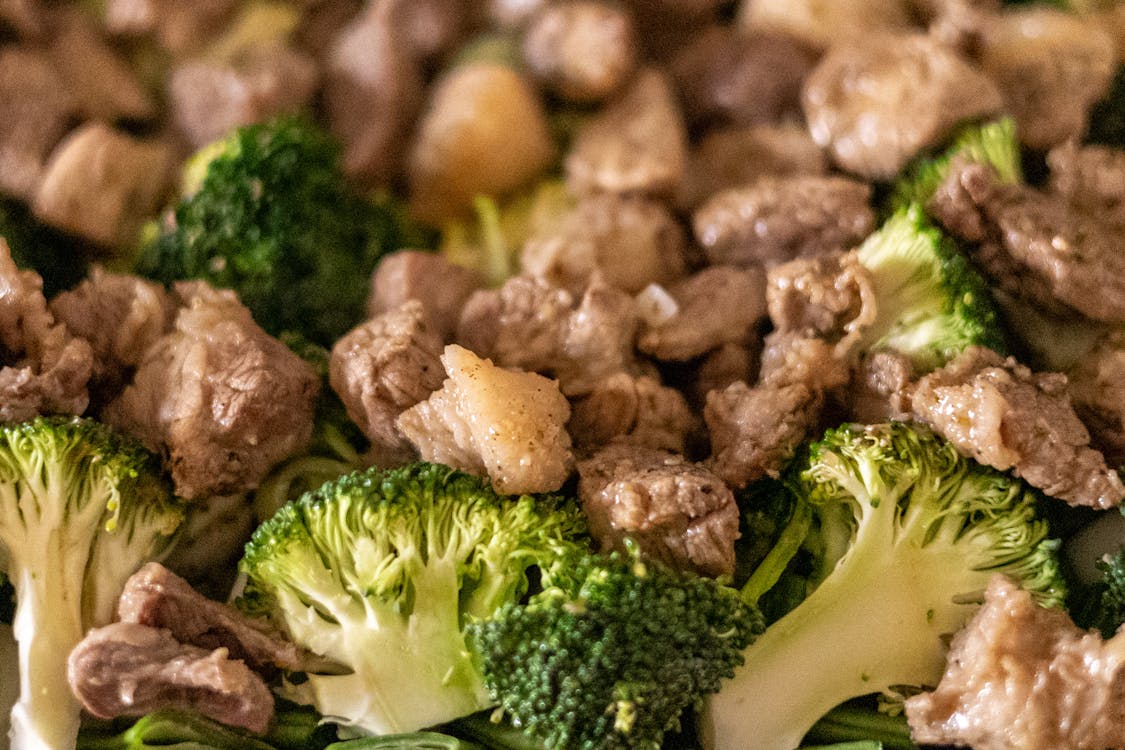
The Velveting Secret: How Restaurants Get Tender Beef
If you have ever wondered why beef from a Chinese restaurant is impossibly tender and silky while your homemade version comes out tough and chewy, the answer is a technique called velveting. This is arguably the most important technique in this entire guide, and it is the one that most home cooks skip.
Velveting involves marinating thinly sliced beef in a mixture of cornstarch and often baking soda before cooking. According to The Woks of Life, this is the standard method used in virtually every Chinese restaurant kitchen.
Sharon Wong at Nut Free Wok explains that cornstarch "helps meat retain moisture during cooking, making it more tender." The cornstarch creates a thin protective coating around each slice of beef that locks in juices during the intense heat of stir frying.
The Lee Kum Kee recipe takes this a step further by adding baking soda to the marinade. Baking soda raises the pH on the surface of the meat, which prevents the proteins from tightening and squeezing out moisture. According to RecipeTin Eats, this is the key reason restaurant beef stays so remarkably tender even when cooked over extremely high heat.
How to Velvet Beef at Home
Here is the straightforward method that combines the best practices from our sources:
- Slice 1 pound of beef very thin against the grain
- Toss with 1 teaspoon cornstarch, 1/4 teaspoon baking soda, and 1 tablespoon soy sauce
- Let it sit for 15 to 30 minutes at room temperature (or up to overnight in the refrigerator)
- Cook as directed, making sure the pan is very hot before adding the beef
A word of caution from experienced home cooks in online cooking communities: do not overdo the baking soda. Using too much or letting the beef marinate for too long will give it an unpleasant soapy taste and a rubbery texture. A quarter teaspoon per pound of beef is the sweet spot.
Complete Beef and Broccoli Recipe
This recipe synthesizes the best techniques from all four of our primary sources into one reliable method. It serves four people and takes about 30 minutes from start to finish.
For our quick recipe card version, check out our Beef and Broccoli Stir Fry recipe page.
Ingredients
For the beef marinade:
- 1 lb flank steak, thinly sliced against the grain
- 1 tablespoon soy sauce
- 1 teaspoon cornstarch
- 1/4 teaspoon baking soda
- 1 teaspoon sesame oil
For the sauce:
- 2 tablespoons oyster sauce
- 2 tablespoons soy sauce (low sodium recommended)
- 1 tablespoon brown sugar
- 1 teaspoon fresh ginger, grated
- 2 cloves garlic, minced
- 1 tablespoon cornstarch
- 1/4 cup water
For the stir fry:
- 1 lb fresh broccoli (about 4 cups florets)
- 2 tablespoons vegetable oil, divided
- Steamed white rice, for serving
- Sesame seeds and sliced green onions, for garnish (optional)
Step-by-Step Instructions
Step 1: Marinate the beef. Combine the sliced beef with 1 tablespoon soy sauce, 1 teaspoon cornstarch, 1/4 teaspoon baking soda, and 1 teaspoon sesame oil in a medium bowl. Stir to coat evenly and set aside for at least 15 minutes. This is the velveting step that gives you restaurant-quality tenderness.
Step 2: Make the sauce. In a small bowl, whisk together the oyster sauce, 2 tablespoons soy sauce, brown sugar, grated ginger, minced garlic, 1 tablespoon cornstarch, and 1/4 cup water until smooth. Set aside.
Step 3: Cook the broccoli. Heat 1 tablespoon of oil in a large skillet or wok over high heat. Add the broccoli florets and stir fry for 2 minutes. Add 2 tablespoons of water to the pan and cover with a lid for 1 to 2 minutes until the broccoli is bright green and crisp-tender. Remove to a plate.
Step 4: Sear the beef. Add the remaining tablespoon of oil to the same pan over high heat. When the oil is shimmering and nearly smoking, add the marinated beef in a single layer. Let it sear without touching for 1 minute to develop a brown crust, then stir fry for another minute until the beef is about 75 percent cooked through. As Sharon Wong emphasizes, do not move the beef for that first minute. That undisturbed contact with the hot pan is what gives you the sear.
Step 5: Combine and finish. Return the broccoli to the pan. Give the sauce mixture a quick stir (the cornstarch settles) and pour it over everything. Stir fry for 1 to 2 minutes until the sauce thickens and coats the beef and broccoli in a glossy glaze. Serve immediately over steamed white rice.
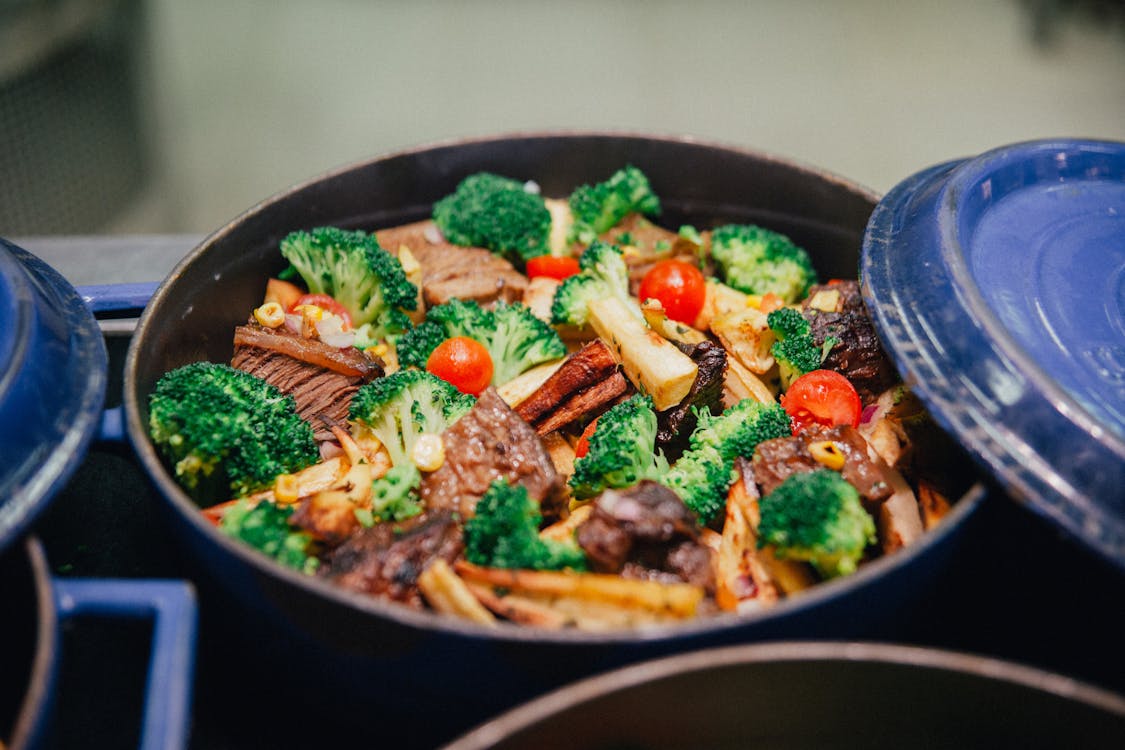
The Perfect Stir Fry Sauce
The sauce is what transforms a simple stir fry into something that tastes like it came from your favorite Chinese restaurant. Every recipe we studied uses a slightly different combination, but they all revolve around the same core ingredients.
Oyster sauce is the foundation. Lee Kum Kee describes their oyster sauce as essential for achieving "rich, flavorful" results, and most authentic Chinese-American beef and broccoli recipes rely on it as the primary flavor base. It adds a deep umami richness that soy sauce alone cannot replicate.
Soy sauce adds saltiness and depth. Natasha's Kitchen specifically recommends low-sodium soy sauce so you can control the salt level without the dish becoming overpowering.
Brown sugar balances the saltiness with a subtle sweetness. Natasha's Kitchen uses 3 tablespoons of packed light brown sugar in her version, while Sharon Wong uses just half a teaspoon. Our recipe splits the difference with 1 tablespoon, but you should taste and adjust to your preference.
Sesame oil adds an aromatic nuttiness that Natasha's Kitchen calls essential for authentic flavor. A little goes a long way; 1 to 2 teaspoons is enough.
Cornstarch is the thickening agent that creates the glossy, clingy sauce. Sharon Wong uses an interesting double-sauce technique: cornstarch in the beef marinade to protect the meat, and more cornstarch in the stir fry sauce to create the glaze. This layered approach is one reason her recipe produces such reliably good results.
Ginger and garlic add aromatic heat and depth. Just a Taste uses both freshly grated ginger and minced garlic in their sauce, while Natasha's Kitchen cautions not to overdo the fresh ginger because of its strong flavor. One teaspoon of grated ginger and two to three cloves of garlic is the sweet spot for most palates.
Lee Kum Kee adds a splash of Chinese rice wine to their sauce, which brings a subtle acidity and complexity. If you do not have rice wine, dry sherry or a splash of white wine works as a substitute.
Sauce Troubleshooting
If your sauce is too thin, it probably did not boil long enough for the cornstarch to activate. Bring it to a full rolling boil and cook for at least one minute. If it is too thick, add water a tablespoon at a time. If the sauce is lumpy, the cornstarch was not fully dissolved in cold liquid before being added to the hot pan. Always whisk the cornstarch slurry in a separate bowl with cold water before pouring it in.
Pro Tips from Recipe Experts
We compiled the most valuable tips from our research across all four primary sources plus advice from cooking communities online.
Get the pan screaming hot. Every source agrees: high heat is non-negotiable for stir fry. Lee Kum Kee instructs you to heat the wok until you see white smoke, while Natasha's Kitchen emphasizes adding steak to a "HOT skillet to sear and seal juices." A hot pan means fast cooking, better browning, and tender results.
Do not overcrowd the pan. This is probably the most common mistake home cooks make with stir fry. Adding too much beef at once drops the pan temperature dramatically, causing the meat to steam and turn gray instead of searing. Cook the beef in a single layer, and work in batches if needed. Home cooks across Reddit's r/Cooking community consistently identify overcrowding as the number one reason homemade stir fry disappoints.
Use fresh broccoli, not frozen. Natasha's Kitchen is clear on this: "frozen broccoli gets mushy, releases liquid and dilutes the sauce, making it bland." Fresh broccoli keeps its color, crunch, and structural integrity through the high-heat cooking process.
Do not throw away the broccoli stems. Sharon Wong uses whole broccoli including the stems. Peel the tough outer layer with a paring knife and slice the inner stem crosswise into coins. They cook to a tender, slightly sweet texture and add extra volume at no cost.
Prep everything before you start cooking. The French call it mise en place, and it is especially critical for stir fry. Once the wok is hot, the entire cooking process takes about five minutes. There is no time to slice, measure, or mix once you start. Have your beef marinated, broccoli cut, sauce whisked, and rice cooking before the oil goes in the pan.
Simmer the sauce long enough. Natasha's Kitchen specifically recommends simmering the sauce for at least 3 minutes "to mellow garlic and ginger" and develop the flavors. Rushing this step produces a sauce that tastes raw and sharp.
Variations and Dietary Substitutions
One of the great things about beef and broccoli is how easily it adapts to different dietary needs.
Dietary Accommodations
Sharon Wong at Nut Free Wok provides comprehensive allergy-friendly substitutions that we found incredibly useful:
- Gluten-free: Replace soy sauce with tamari or coconut aminos. Verify that your oyster sauce is gluten-free (many brands are, but check the label).
- Soy-free: Use homemade soy-free soy sauce or coconut aminos in place of soy sauce.
- Oyster allergy: Omit the oyster sauce entirely. Increase the soy sauce by 50 percent and add an extra 1/2 teaspoon of sugar to compensate for the sweetness.
- Cornstarch-free: Substitute tapioca starch in equal amounts for both the marinade and the sauce.
Vegetable Variations
Natasha's Kitchen suggests adding snap peas, bell peppers, carrots, mushrooms, or broccolini alongside or in place of the broccoli. If you add harder vegetables like carrots, give them a head start in the pan before adding the broccoli so everything reaches crisp-tender at the same time.
Protein Swaps
If beef is too expensive or you want to mix things up, thinly sliced chicken thighs, pork tenderloin, or extra-firm tofu all work with the same sauce and technique. Shrimp is another excellent option, though it cooks in about 2 minutes so adjust your timing accordingly.
Storage, Meal Prep, and Reheating
Beef and broccoli is a solid meal prep candidate with a few caveats.
Prep ahead: Natasha's Kitchen recommends slicing the beef, preparing the broccoli, and making the sauce separately the day before. Store each component in a separate container in the refrigerator. When dinner time arrives, the actual cooking takes under 10 minutes.
Storage: Refrigerate leftovers in a covered container for 3 to 4 days per USDA guidelines for cooked beef. Store the stir fry separately from the rice to prevent the rice from absorbing the sauce and becoming soggy.
Reheating: Use a skillet over medium-high heat rather than the microwave. Add a small splash of water to loosen the sauce and stir fry until everything is heated through. The skillet method preserves the texture of both the beef and broccoli far better than microwave reheating.
Freezing: Natasha's Kitchen notes that freezing is possible but the texture suffers because "broccoli becomes mushy when thawed." If you plan to freeze, consider freezing just the beef and sauce without the broccoli, then adding freshly cooked broccoli when you reheat.
Meal prep containers: Portion the stir fry and rice into individual containers for grab-and-go lunches throughout the week. This is one of the most cost-effective meal prep options available, coming in at around $2.50 per fully portioned meal.
Nutritional Information
Based on the nutritional data from our sources, here is the approximate breakdown per serving (serves 4, served with rice):
| Nutrient | Amount |
|---|---|
| Calories | 385 kcal |
| Protein | 29g |
| Carbohydrates | 22g |
| Fat | 21g |
| Saturated Fat | 4g |
| Fiber | 3g |
| Sodium | 900mg |
| Vitamin C | 102mg (124% DV) |
| Iron | 3mg (17% DV) |
Beef and broccoli is a surprisingly well-balanced meal. The beef provides substantial protein and iron, while the broccoli is loaded with vitamin C, fiber, and other micronutrients. Using low-sodium soy sauce and adjusting the brown sugar are the easiest ways to make this dish healthier without sacrificing flavor.
Nutritional data synthesized from Natasha's Kitchen and Nut Free Wok.
Sources
This article drew from the following primary sources and expert references:
- Broccoli Beef Stir Fry, Chinese Take Out Style by Sharon Wong, Nut Free Wok
- Beef and Broccoli Stir-Fry Recipe by Lee Kum Kee
- Easy Beef and Broccoli by Kelly Senyei, Just a Taste
- Beef and Broccoli by Natasha Kravchuk, Natasha's Kitchen
- How to Tenderise Beef for Stir Fries (Velveting Beef) by RecipeTin Eats
- How to Velvet Beef for Stir-Fry by The Woks of Life
- How to Velvet Meat by Food Network
Frequently Asked Questions
What is the best cut of beef for beef and broccoli?▾
Flank steak is the most popular choice because it is lean, flavorful, and easy to slice thin against the grain. Flat iron steak and flap meat are excellent alternatives that many Chinese home cooks prefer. Top sirloin and top round also work well when sliced very thin, especially if you are watching your budget.
How do Chinese restaurants get their beef so tender?▾
The secret is a technique called velveting. Restaurants marinate thinly sliced beef in a mixture of cornstarch, baking soda, and a small amount of liquid. The baking soda raises the pH on the surface of the meat, preventing proteins from tightening during high-heat cooking. The cornstarch creates a protective coating that seals in moisture. This combination produces beef that is remarkably silky and tender.
Can I use frozen broccoli for beef and broccoli stir fry?▾
Fresh broccoli is strongly recommended. Frozen broccoli releases excess water when heated, which dilutes your sauce and makes the stir fry watery instead of glossy. The texture also suffers, turning soft and mushy rather than crisp-tender. If fresh is not available, thaw frozen broccoli completely and pat it very dry with paper towels before cooking.
What can I substitute for oyster sauce?▾
If you have an oyster allergy, increase the soy sauce by 50 percent and add an extra half teaspoon of sugar to compensate for the sweetness oyster sauce provides. Hoisin sauce mixed with a splash of soy sauce is another option. For a vegetarian alternative, mushroom sauce works as a direct substitute with a similar umami depth.
How long does leftover beef and broccoli last?▾
Store leftovers in an airtight container in the refrigerator for up to three to four days. Reheat in a skillet over medium-high heat rather than the microwave to maintain the texture of the beef and broccoli. This dish does not freeze well because the broccoli becomes mushy when thawed.
Why is my homemade beef and broccoli sauce not glossy?▾
The glossy finish comes from cornstarch. Make sure you dissolve the cornstarch completely in cold liquid before adding it to the hot pan. The sauce needs to come to a full boil and cook for at least one to two minutes for the cornstarch to activate and thicken properly. If your sauce is too thick, thin it with a tablespoon of water. If too thin, mix another teaspoon of cornstarch with cold water and stir it in.
How can I keep this plan affordable if grocery prices change?▾
Build your list around interchangeable staples like beans, rice, pasta, eggs, and frozen vegetables. If one ingredient spikes in price, swap to the same category item and keep the same cooking method so your weekly plan stays consistent.
Recipes From This Post
 dinner
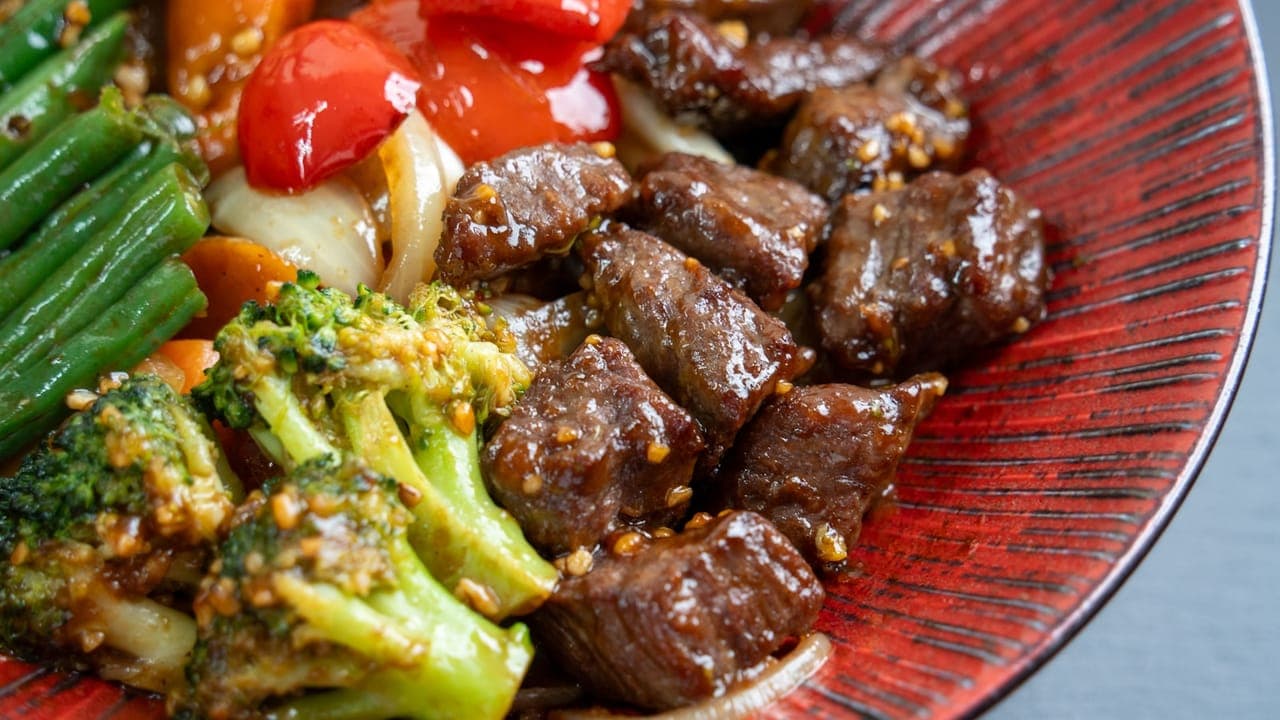
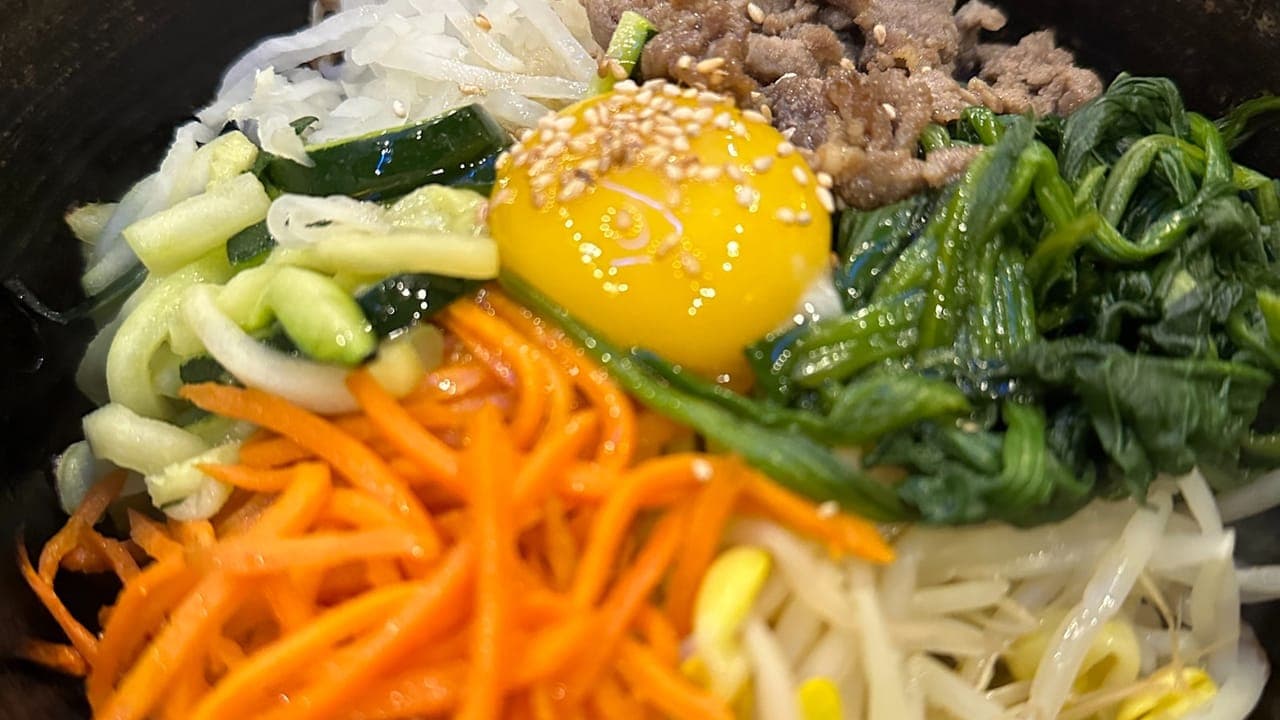
Easy Beef and Broccoli Stir Fry
Easy beef and broccoli stir fry with tender sliced beef, crisp broccoli, and a savory homemade sauce, ready in 20 minutes for a budget-friendly weeknight dinner.
 dinner
Korean Ground Beef Bowl
Sweet and savory Korean ground beef bowl with a sticky soy-ginger sauce served over rice. A budget-friendly Asian dinner ready in 20 minutes for $2.10 per serving. This korean beef bowl option is designed for fast weeknight cooking and dependable results.
Related Articles
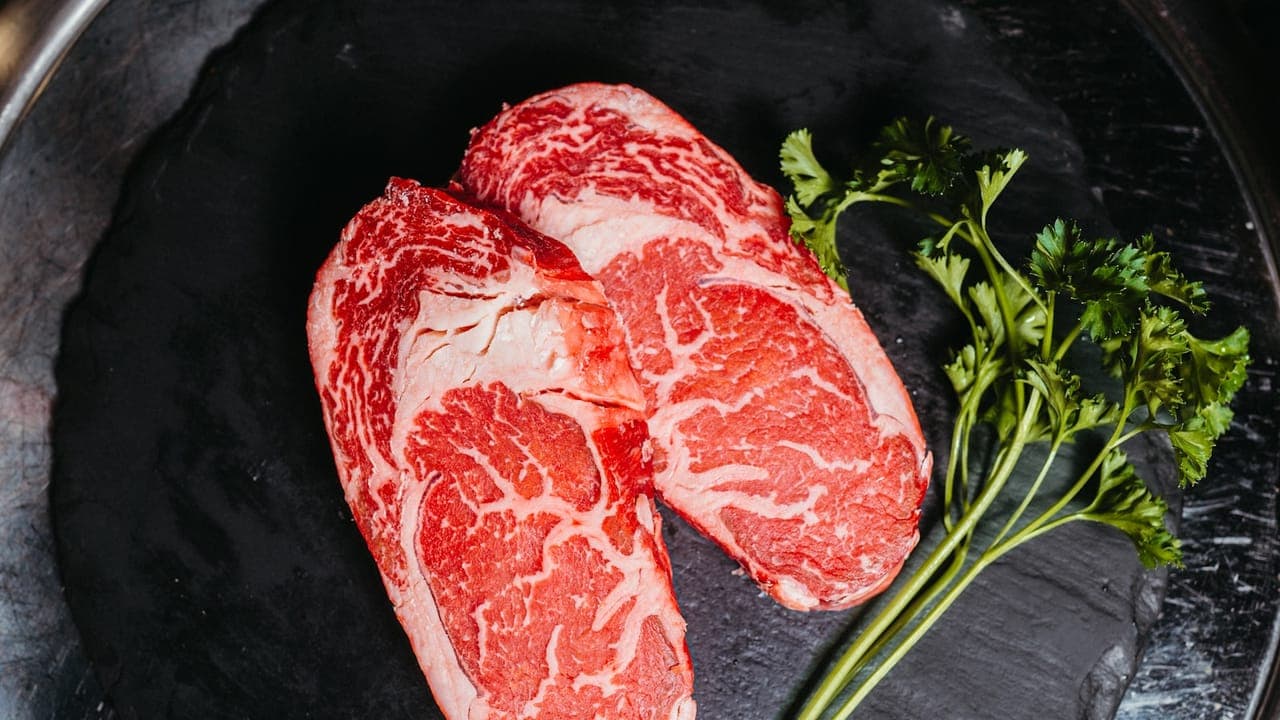
12 Budget Ground Beef Recipes Under $3 Per Serving
Ground beef is the budget cook's best friend. Here are 12 delicious ground beef recipes that cost under $3 per serving. This 12 budget ground beef recipes option is designed for fast weeknight cooking and dependable results.
February 18, 2026
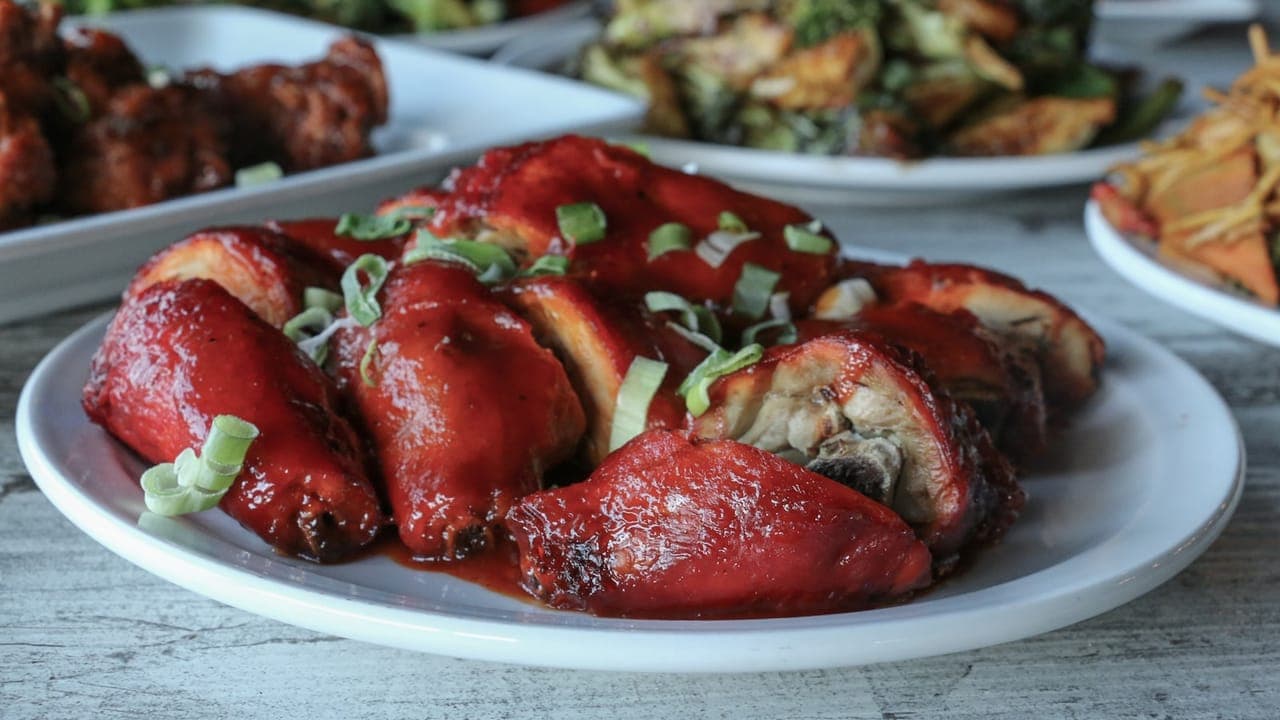
15 Easy Chicken Recipes for Busy Weeknights
Chicken is affordable, versatile, and quick to cook. Here are 15 easy chicken recipes perfect for busy weeknight dinners. This 15 easy chicken recipes for weeknights option is designed for fast weeknight cooking and dependable results.
February 16, 2026
HomeMealHacks Team
We're a team of home cooks passionate about making delicious food accessible to every budget. Every recipe is tested, costed, and designed to save you money without sacrificing flavor.
Get Weekly Budget Meal Plans
Join thousands of home cooks saving money with our free weekly meal plans and grocery lists.