How to Cook on a Budget: The Complete Beginner's Guide
Cooking at home is the single most effective way to slash your food spending. The average American household spends over $3,500 per year on dining out and takeout according to recent USDA data. Even cutting that in half by cooking a few more meals at home puts almost $1,800 back in your pocket every year. That is real money — a vacation, an emergency fund boost, or simply the peace of mind that comes from knowing you can feed yourself and your family without breaking the bank.
But if you did not grow up cooking, the whole thing can feel overwhelming. Where do you start? What equipment do you actually need? How do you shop without spending just as much as eating out? This guide answers all of those questions and gives you a clear path from kitchen beginner to confident budget cook.
Why Cooking at Home Changes Everything
The math is straightforward. A fast-food meal for one person averages $8-12. A simple homemade dinner like Aglio e Olio costs about $1.50 per serving and takes 20 minutes. A bowl of hearty Lentil Soup comes in at roughly $1 per serving and makes enough leftovers for lunch the next day.
Beyond the savings, cooking at home gives you complete control over what goes into your food. You choose the ingredients, the portions, and the flavors. There is no mystery about sodium levels or preservatives. And once you get comfortable with a handful of basic recipes, you will find that cooking is genuinely faster than driving to a restaurant, waiting for your order, and driving back.
The mental shift matters, too. When you cook your own meals, food stops being a recurring expense that drains your wallet and becomes a skill that pays you back every single day.
Building a Budget Pantry
A well-stocked pantry is the secret weapon of every budget cook. These shelf-stable staples cost very little, last for months, and form the backbone of hundreds of meals. You do not need to buy everything at once. Build your pantry over two or three shopping trips and you will be set for weeks.
Grains and Starches
- Long grain white rice (a 5 lb bag runs $3-4 and lasts weeks)
- Dried pasta — spaghetti, penne, or whatever is cheapest
- Oats — rolled oats for breakfast, baking, and even Banana Oat Pancakes
- Flour — all-purpose for thickening sauces and basic baking
- Bread — store brand is perfectly fine
Proteins
- Dried lentils and beans (black beans, chickpeas, pinto beans)
- Canned beans for nights when you forgot to soak dried ones
- Eggs — possibly the most versatile budget protein
- Peanut butter — protein-packed and shelf-stable
Canned Goods
- Diced tomatoes — the foundation of soups, stews, and sauces
- Tomato paste — a small can adds deep flavor to almost anything
- Coconut milk — for curries and creamy soups
- Canned tuna or chicken — quick protein for busy days
Oils, Vinegars, and Sauces
- Vegetable oil or olive oil
- Soy sauce
- Hot sauce
- Vinegar (white or apple cider)
Spices and Seasonings
- Salt and black pepper
- Garlic powder
- Cumin
- Chili powder
- Paprika
- Italian seasoning
- Onion powder
These basics alone give you the ingredients for dozens of meals. A pot of Chickpea Curry needs just canned chickpeas, canned tomatoes, coconut milk, and spices you already have on hand. That is a dinner for four at under $5 total.
Essential Equipment You Actually Need
Kitchen stores want you to believe you need a $400 knife set and seventeen different pans. You do not. Here is what you genuinely need to cook almost anything as a beginner.
The Non-Negotiables
- One large skillet or frying pan (10-12 inch) — handles everything from eggs to stir-fries
- One large pot (5-6 quart) — for soups, pasta, rice, and boiling anything
- One sharp chef's knife (8 inch) — you only need one good knife
- One cutting board — wood or plastic, your choice
- A wooden spoon and a spatula
- Measuring cups and spoons
- A colander for draining pasta and rinsing beans
- A baking sheet — for roasting vegetables and sheet pan dinners
Nice to Have but Not Required
- A slow cooker or Instant Pot (check thrift stores — they are always there)
- A second small saucepan for heating sauces or cooking grains
- A blender for smoothies and pureed soups like Creamy Potato Soup
- A 9x13 baking dish for casseroles like Baked Mac and Cheese
Buy what you need as you need it rather than all at once. Dollar stores carry surprisingly decent kitchen tools. Thrift stores are goldmines for pots, pans, and baking dishes. You do not need matching sets — you need functional tools.
Smart Shopping Tips That Actually Work
Shopping is where most budget cooking plans fall apart. You walk in for ten items and walk out with thirty. Here is how to stay disciplined without feeling deprived.
Always Make a List and Stick to It. This sounds obvious but it is the single highest-impact habit you can build. Plan your meals for the week, write down exactly what you need, and do not deviate. Impulse purchases are the enemy of budget shopping.
Buy Store Brands. Store-brand pasta, canned goods, rice, flour, sugar, and spices are almost always identical to name brands. The packaging is different but the product inside is often made in the same factory. You will save 20-40% on every item you switch.
Shop Seasonally. Tomatoes in January cost twice what they do in July. Squash is dirt cheap in fall and expensive in spring. Learn what is in season in your area and plan meals around the cheapest produce available right now.
Check the Unit Price. That bigger bag of rice might look more expensive, but the per-pound cost is almost always lower. Train yourself to look at the small unit price on the shelf tag rather than the total price on the package.
Do Not Shop Hungry. This is not a myth. Shopping on an empty stomach genuinely leads to larger grocery bills. Eat before you go. Every single time.
Embrace Frozen Produce. Frozen vegetables and fruits are picked and frozen at peak ripeness, so they are often more nutritious than the "fresh" produce that sat on a truck for a week. They are also significantly cheaper and last months in your freezer. A bag of frozen broccoli costs $1 compared to $3 for a fresh bunch that you need to use in three days.
Batch Cooking Basics
Batch cooking is the practice of making large quantities of food at once and eating it throughout the week. It is the ultimate time-and-money saver for budget cooking.
The concept is simple. Instead of cooking one serving of rice, you cook a big pot. Instead of making soup for two, you make a full pot that feeds you for four days. The per-serving cost drops because you are using energy, time, and ingredients more efficiently.
Great batch cooking candidates include soups and stews (like Lentil Soup which tastes even better the next day), grains like rice and quinoa, shredded or diced chicken, cooked beans, and sauces. Spend a couple of hours on Sunday cooking these base components, and assembling meals during the week takes ten minutes or less.
Store batch-cooked food in portioned containers in the fridge. Most cooked grains and proteins last four to five days refrigerated. Soups and stews can also be frozen in individual portions for grab-and-go meals later.
Start Simple and Build Confidence
The biggest mistake new cooks make is attempting complicated recipes too soon, getting frustrated, and ordering pizza. Start with recipes that have short ingredient lists, simple techniques, and forgiving timelines.
Here are some perfect beginner recipes from our collection that also happen to be incredibly budget-friendly.
Aglio e Olio is just pasta, garlic, olive oil, and red pepper flakes. Five ingredients. Fifteen minutes. One pan. It tastes like you spent an hour cooking and costs about $1.50 per serving. This should be the first recipe every beginner learns.
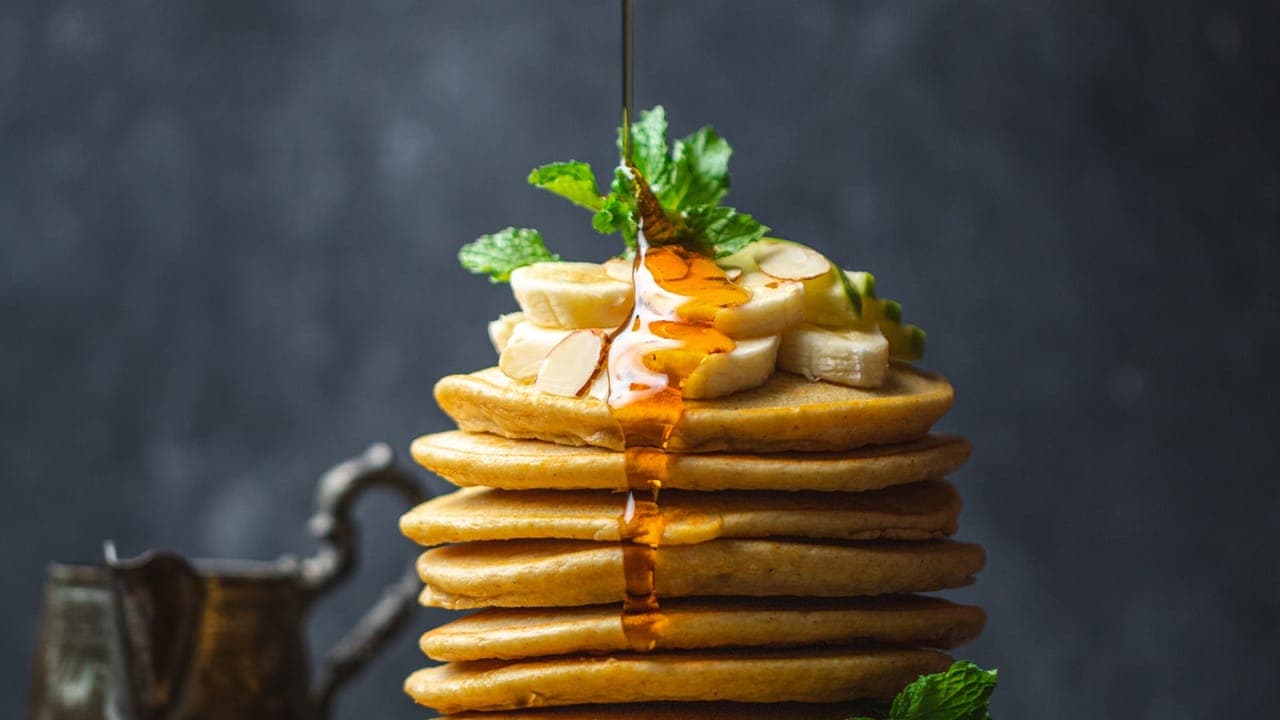
Banana Oat Pancakes are a weekend breakfast that uses pantry staples you probably already have. Mash bananas, mix with oats and eggs, and cook like regular pancakes. Kids love them, adults love them, and they cost pennies per serving.
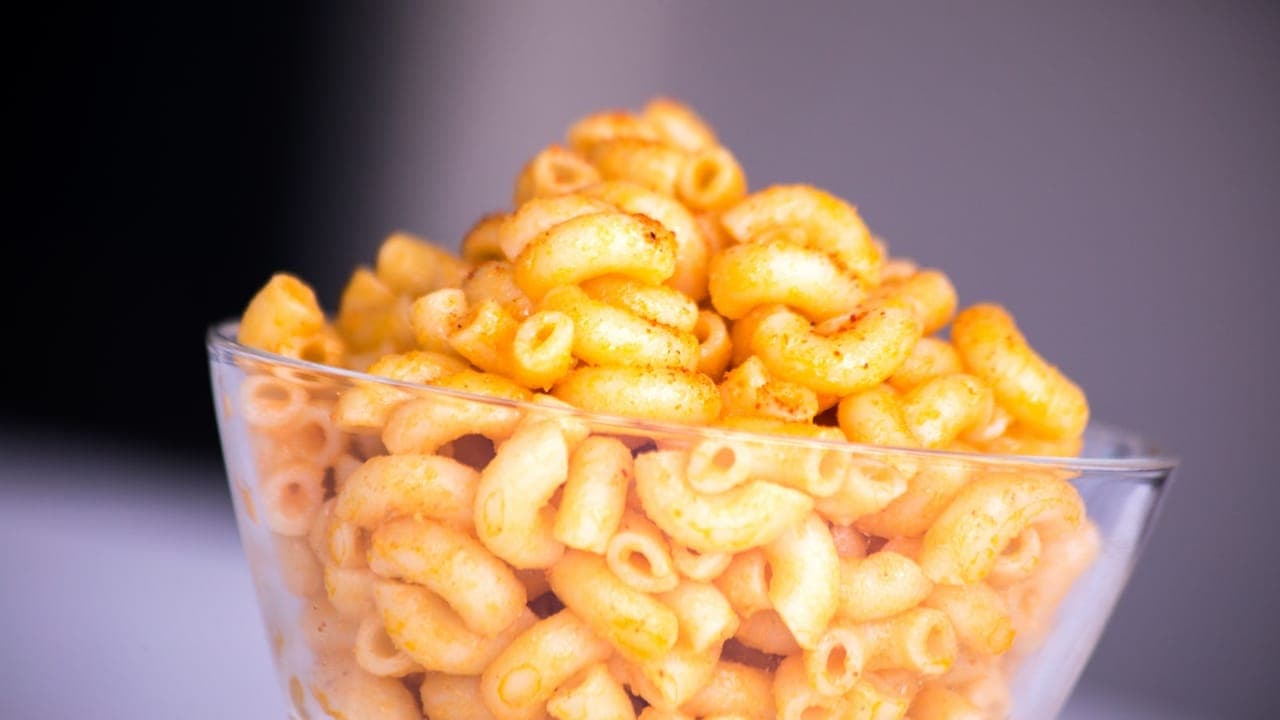
Baked Mac and Cheese is comfort food at its finest, and making it from scratch costs a fraction of the boxed version while tasting ten times better. Once you learn a basic cheese sauce, you will never go back to the blue box.
Creamy Potato Soup turns one of the cheapest vegetables on earth into a rich, warming bowl of comfort. A five-pound bag of potatoes costs $3 and makes enough soup for a small army.
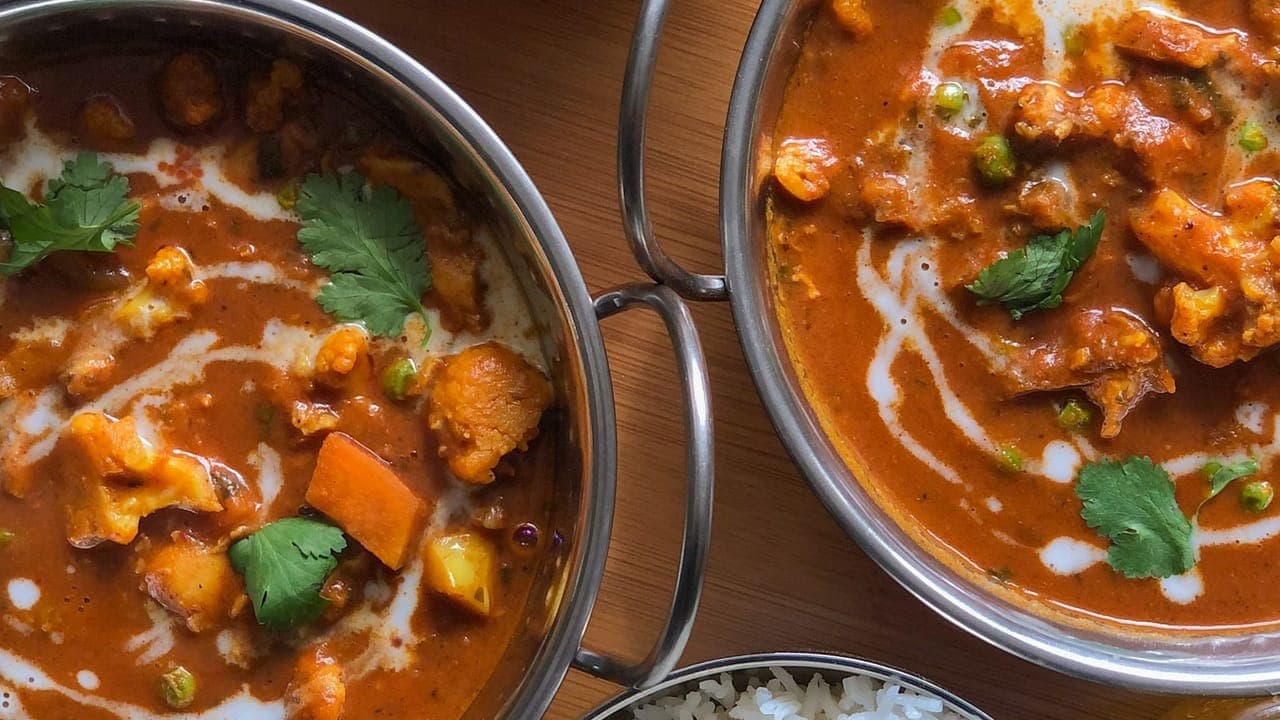
Chickpea Curry introduces you to spice-based cooking using canned chickpeas and pantry spices. It is nearly impossible to mess up and the flavors are incredible for how little effort it requires.
Your First Week Game Plan
If you are reading this and feeling ready to start, here is a simple framework for your first week of budget cooking.
Day 1: Go shopping with your pantry staples list. Pick up the basics plus ingredients for two or three recipes from this guide. Keep your total under $40.
Day 2: Make a big batch of rice and a pot of Lentil Soup. You now have lunch sorted for the next three or four days.
Day 3: Cook Aglio e Olio for dinner. Notice how fast and cheap it was. Feel proud of yourself.
Day 4-5: Try another recipe from the list. Use up the rice you made earlier as a side dish.
Day 6-7: Finish leftovers, make something new if you want, and start thinking about next week's meals.
The key is not perfection. You will overcook something. You will undersalt something else. That is fine. Every home cook on the planet has burned rice at least once. What matters is that you are building the habit of cooking at home, and every meal you make is money you did not spend at a drive-through window.
Budget cooking is not about deprivation. It is about being intentional with your money and discovering that homemade food, made with simple ingredients, almost always tastes better than the expensive alternative. Welcome to the kitchen — your wallet is about to thank you.
Frequently Asked Questions
What is the minimum budget for cooking at home per week?▾
A single person can eat well for $25-40 per week by focusing on staples like rice, beans, eggs, and seasonal vegetables. A family of four can manage on $50-75 with careful planning. The key is buying versatile ingredients that work across multiple meals.
What are the most essential pantry staples for budget cooking?▾
Stock your pantry with rice, dried pasta, dried or canned beans, canned tomatoes, olive or vegetable oil, onions, garlic, salt, pepper, and a few basic spices like cumin, chili powder, and paprika. These ingredients form the foundation of dozens of cheap, filling meals.
How can I save money on groceries without using coupons?▾
Buy store-brand products, shop seasonal produce, purchase proteins in bulk and freeze portions, avoid pre-cut or pre-washed produce, stick to a shopping list, and plan meals around what is already on sale that week. These strategies often save more than couponing.
What are the first pantry staples beginners should buy?▾
Start with rice, pasta, oats, canned beans, canned tomatoes, onions, garlic, and basic spices. These staples build dozens of low-cost meals and reduce expensive takeout reliance.
How can I keep this plan affordable if grocery prices change?▾
Build your list around interchangeable staples like beans, rice, pasta, eggs, and frozen vegetables. If one ingredient spikes in price, swap to the same category item and keep the same cooking method so your weekly plan stays consistent.
Recipes From This Post
 pasta
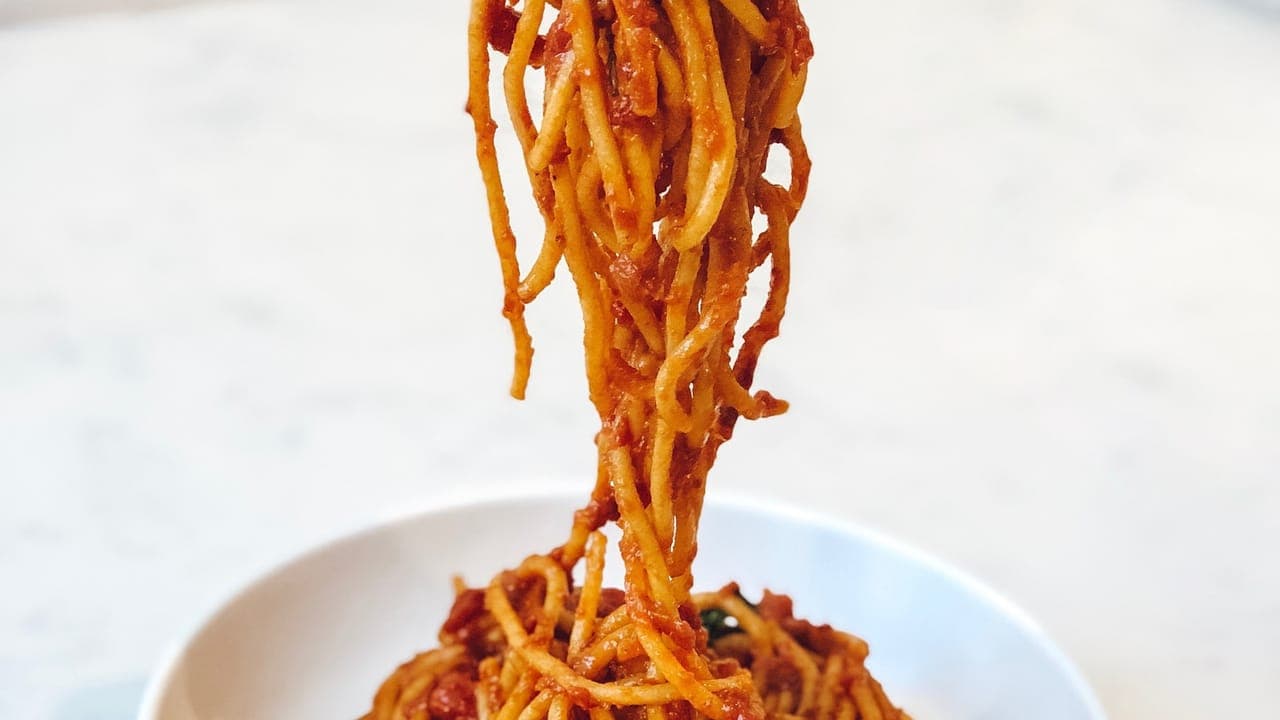
pastaSpaghetti Aglio e Olio
Classic Italian spaghetti aglio e olio with golden garlic, olive oil, and red pepper flakes. Ready in 17 minutes for just $0.85 per serving. This aglio e olio recipe guide includes practical budget tips, clear timing, ingredient swaps, and make-ahead advice for reliable results on busy weeknights.
 soups-stews
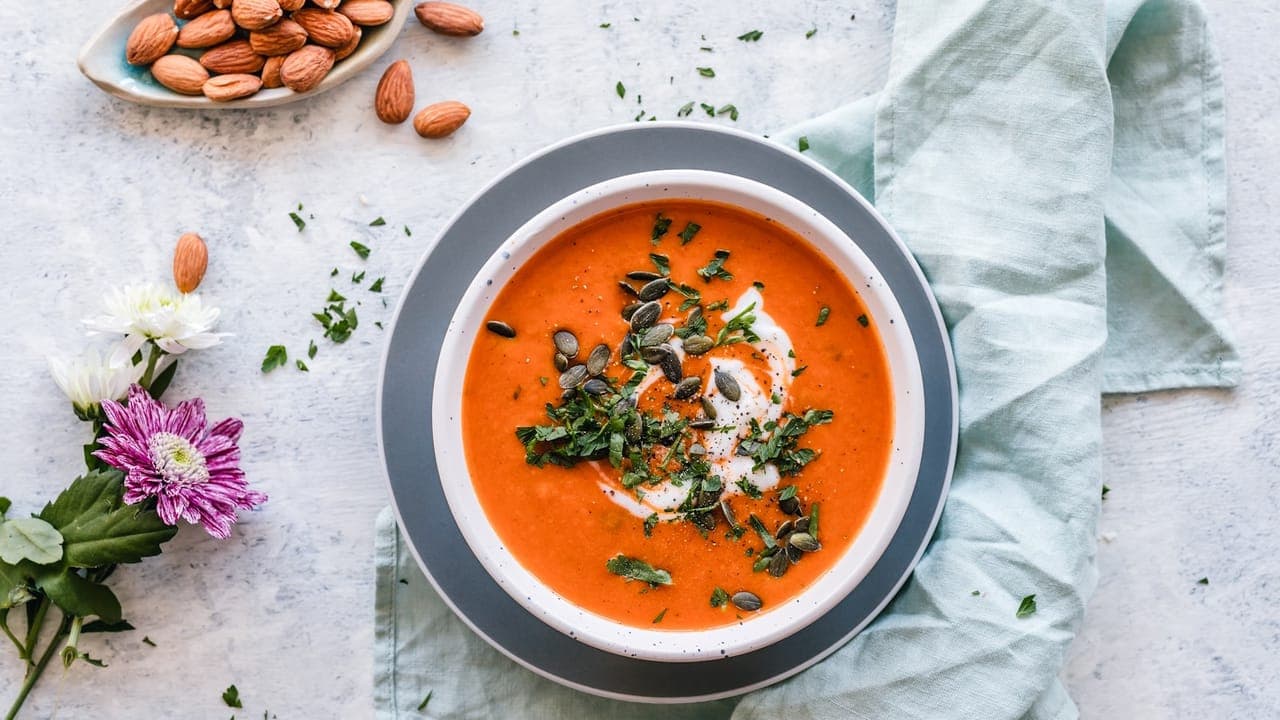
Hearty Budget Lentil Soup
A rich, warming lentil soup packed with vegetables and Mediterranean spices, ready in 40 minutes for just $0.75 per serving. Perfect for meal prep and freezer-friendly. This budget lentil soup guide includes practical budget tips, clear timing, ingredient swaps, and make-ahead advice for reliable results on busy weeknights.
 breakfast
3-Ingredient Banana Oat Pancakes
Fluffy, naturally sweet banana oat pancakes made with just 3 ingredients. A healthy, budget-friendly breakfast ready in 15 minutes for only $0.65 per serving.
 pasta
pastaCreamy Baked Mac and Cheese
The ultimate homemade baked mac and cheese with a creamy cheddar and mozzarella sauce, topped with crispy golden panko breadcrumbs. Feeds 6 for just $1.25 per serving. This homemade mac and cheese guide includes practical budget tips, clear timing, ingredient swaps, and make-ahead advice for reliable results on busy weeknights.
 dinner
Easy 20-Minute Chickpea Curry
A creamy, aromatic chickpea curry made with pantry staples and coconut milk, ready in just 20 minutes for $1.00 per serving. A vegetarian dinner the whole family will love. This budget chickpea curry guide includes practical budget tips, clear timing, ingredient swaps, and make-ahead advice for reliable results on busy weeknights.
 soups-stews
Creamy Potato Soup
Rich and creamy potato soup loaded with cheddar cheese, ready in 35 minutes for just $1.25 per serving. The ultimate budget-friendly comfort food.
Related Articles
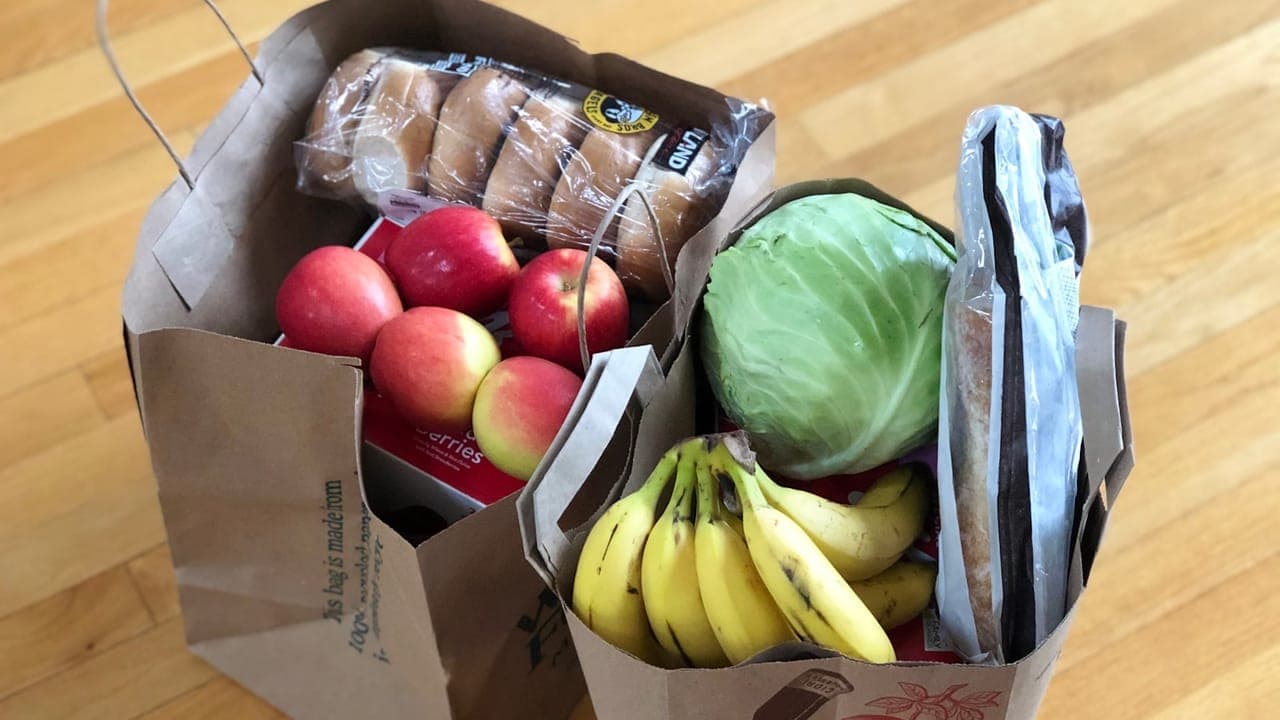
The Complete Budget Grocery List Under $50
Build a practical budget grocery list under 50 dollars with this weeklong plan for affordable breakfasts, lunches, and dinners. Use overlapping ingredients, store-brand staples, and low-waste prep to stretch every dollar.
February 12, 2026
7 Cheap Vegetarian Meals Under $2 Per Serving
Discover 7 delicious vegetarian meals that cost less than $2 per serving. These meatless recipes are budget-friendly, easy to make, and packed with flavor. This 7 cheap vegetarian meals under 2 dollars option is designed for fast weeknight cooking and dependable results.
February 20, 2026
HomeMealHacks Team
We're a team of home cooks passionate about making delicious food accessible to every budget. Every recipe is tested, costed, and designed to save you money without sacrificing flavor.
Get Weekly Budget Meal Plans
Join thousands of home cooks saving money with our free weekly meal plans and grocery lists.