
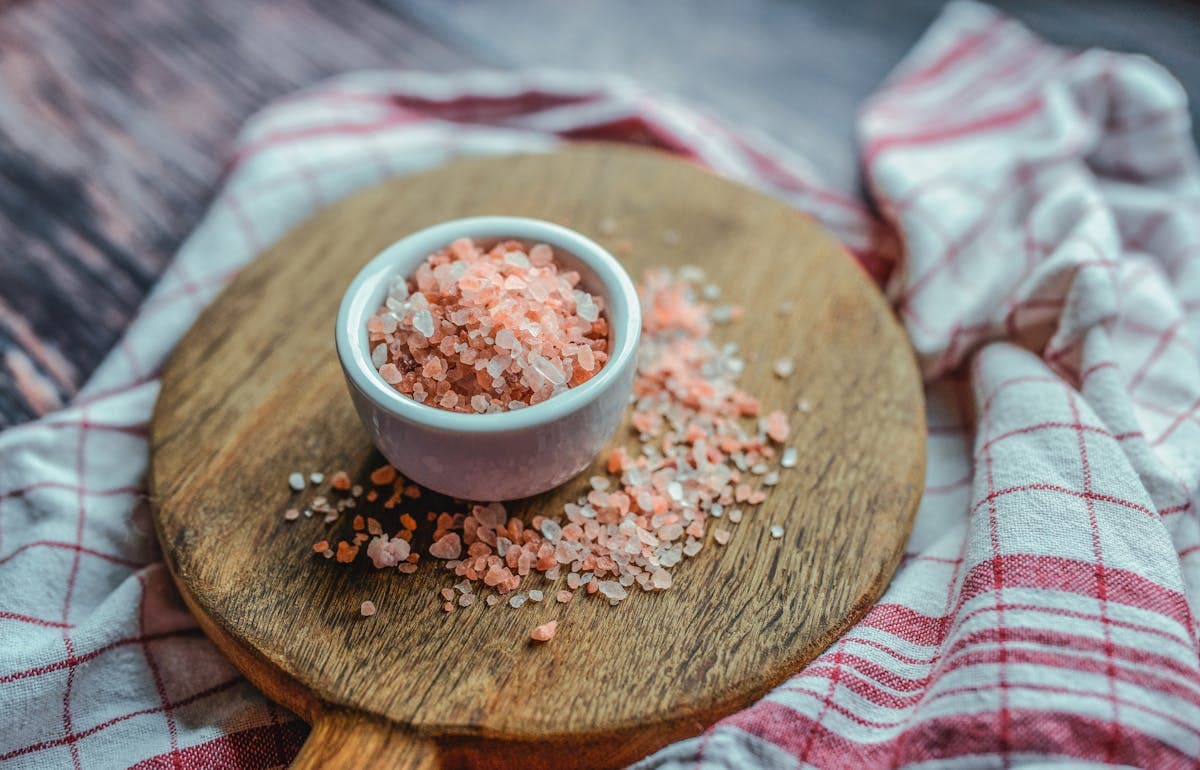
What Is the Pink Salt Recipe for Weight Loss?
If you have been scrolling through TikTok, Facebook wellness groups, or Reddit threads lately, you have probably seen people raving about something called the pink salt trick. So what is the pink salt recipe for weight loss, and does it actually work? This guide breaks down the full recipe, the claims behind it, what registered dietitians and medical experts say, and what the science actually supports.
In short: the pink salt recipe for weight loss is a simple drink made from water, pink Himalayan salt, and lemon juice that has gone viral on social media. Despite widespread claims that it boosts metabolism and burns fat, there is no scientific evidence supporting these benefits, and dietitians say any weight loss people experience is likely from broader habit changes rather than the drink itself.
What Is the Pink Salt Trick?
The pink salt trick is a viral wellness trend that has exploded across social media platforms including TikTok, Instagram, Facebook wellness groups, and Reddit communities like r/nutrition and r/loseit. The basic idea is simple: drink a glass of water mixed with pink Himalayan salt and lemon juice first thing in the morning, and proponents claim it will help you shed pounds, reduce bloating, and boost your metabolism.
The trend gained significant traction through influencer posts and Facebook groups dedicated to natural weight loss remedies, where members share their experiences and variations of the recipe. One popular Facebook group focused on health and weight loss features numerous posts from people claiming the drink helped them feel less bloated and more energized.
But as TODAY.com reports, there is no scientific evidence to confirm that this combination accelerates weight loss or magically reduces stomach bloating. The trend falls into a long line of viral health hacks that promise easy results but lack research to back them up.
The Pink Salt Recipe for Weight Loss
Here is the standard recipe that has been circulating across social media, as documented by Ro.co and Noom:
Basic Pink Salt Water Recipe
- 8 to 12 ounces of warm or room temperature water
- 1/16 teaspoon of pink Himalayan salt (roughly a small pinch)
- Juice of half a lemon
Stir the salt into the water until dissolved, squeeze in the lemon juice, and drink it first thing in the morning on an empty stomach.
Common Variations
Many people tweak the basic recipe with additional ingredients. Here are the most popular variations found across wellness communities:
Apple Cider Vinegar Version
- 8 to 10 ounces of water
- A pinch of pink Himalayan salt
- 1 tablespoon of apple cider vinegar
- Juice of half a lemon
Spicy Metabolism Version
- 8 to 10 ounces of warm water
- A pinch of pink Himalayan salt
- Juice of half a lemon
- A small dash of cayenne pepper
Honey Ginger Version
- 8 to 12 ounces of warm water
- A pinch of pink Himalayan salt
- 1 teaspoon of raw honey
- Juice of half a lemon
- A small piece of fresh grated ginger
Some recipes call for as much as a quarter teaspoon of salt, but as TODAY.com notes, that alone contains over 500 mg of sodium, which is a significant chunk of your daily recommended intake before you have even eaten breakfast.
What Supporters Claim
Proponents of the pink salt recipe for weight loss make several bold claims about its benefits. According to posts across social media and wellness blogs, the drink is supposed to:
- Boost metabolism — The idea that salt and lemon somehow speed up your body's fat-burning processes.
- Reduce bloating — Claims that the salt helps "flush" excess water and reduce puffiness.
- Balance electrolytes — The theory that pink salt's trace minerals improve hydration at a cellular level.
- Enhance hydration — The belief that adding salt helps your body absorb water more effectively.
- Detoxify the body — Claims that the salt "draws out toxins" and cleanses your system.
- Suppress appetite — Some claim the drink curbs cravings throughout the day.
In Facebook wellness groups and Reddit threads, users frequently share before-and-after stories and claim the drink helped them lose anywhere from a few pounds to dramatic amounts of weight in short periods. These anecdotal reports are compelling, but as we will see in the next section, they do not hold up under scrutiny.
What the Science Actually Says
Here is where things get real. Despite the enthusiasm on social media, the expert consensus is clear and consistent: there is no credible scientific evidence that the pink salt recipe causes weight loss.
Expert Opinions
Erin Palinski-Wade, a registered dietitian quoted by TODAY.com, states plainly that any weight loss people experience is "more likely from replacing higher-calorie drinks" with this low-calorie beverage. If someone swaps their morning sugary coffee or juice for salt water with lemon, they are consuming fewer calories. The salt water itself is not doing the work. The calorie reduction is.
Natalie Rizzo, RD, also quoted in the TODAY.com article, emphasizes that fads like this "overpromise and underdeliver" and that sustainable weight loss requires genuine commitment to long-term dietary and lifestyle changes.
Medical professionals at Ro.co reviewed the claims and concluded there is "little scientific evidence backing these supposed benefits." Their assessment, reviewed by Dr. Raagini Yedidi, MD, takes a cautious, evidence-based approach that questions whether the pink salt trick delivers any meaningful health benefits.
Noom's analysis reaches the same conclusion: the pink salt trick is "not a science-backed strategy for weight loss or debloating."
The Trace Minerals Argument Falls Apart
One of the key selling points of pink Himalayan salt over regular table salt is its trace mineral content. Pink salt does contain small amounts of magnesium, potassium, calcium, and iron, which give it its distinctive color. However, as TODAY.com reports, these trace minerals are present in such tiny quantities that they do not provide meaningful health benefits. You would need to consume dangerously large amounts of salt to get a nutritionally relevant dose of these minerals.
Pink Himalayan salt is still approximately 98 percent sodium chloride — the exact same compound as regular table salt.
The Detox Claims Are Nonsense
The claim that pink salt "draws out toxins" is not supported by any mechanism in human physiology. As the TODAY.com article points out, your liver and kidneys already perform detoxification without any external assistance. No food or drink "detoxes" your body. Your organs do that job around the clock.
What Reddit and Online Communities Are Saying
The pink salt trick has generated significant discussion across Reddit, particularly in health, nutrition, and weight loss communities. While specific threads come and go, the general sentiment on Reddit tends to be more skeptical than what you find on TikTok or Instagram.
Redditors who have tried the pink salt drink typically discuss how they feel rather than reporting dramatic fat loss. Common themes from these discussions include:
- Better hydration feel — Some users, particularly those on low-carb or keto diets, report that a pinch of salt in water helps them feel more hydrated. This has some basis in electrolyte science, as people restricting carbohydrates do excrete more sodium and may benefit from replenishment.
- No magic fat burning — The consensus among Reddit's more evidence-minded communities is that pink Himalayan salt is not a magic fat burner. Users who dig deeper into the science generally agree the weight loss claims are overblown.
- Habit change is the real driver — Several Reddit users have pointed out that if someone starts drinking salt water in the morning and simultaneously starts paying more attention to what they eat, the dietary awareness is what drives results, not the drink.
- Temporary water weight shifts — Some users report losing a few pounds quickly, which other commenters correctly identify as temporary shifts in water balance rather than actual fat loss. As one commenter noted, super-salty versions of the drink can cause diarrhea, and any fast "weight loss" from that is just temporary water loss that comes right back.
The Reddit perspective generally aligns with what dietitians and doctors say: the drink itself is not harmful for healthy people, but it is not a weight loss solution either.
Potential Risks and Side Effects
While the pink salt recipe is generally safe for healthy adults in small amounts, there are real risks worth understanding before making it a daily habit.
Sodium Overload
According to the American Heart Association, most healthy adults should consume no more than 2,300 mg of sodium per day, with an ideal target closer to 1,500 mg for heart health. That is about one teaspoon of total salt per day from all sources.
As TODAY.com reports, about 90 percent of Americans already exceed their daily sodium recommendations. Adding a salt drink on top of your normal diet pushes you further over the limit. Some versions of the recipe call for a quarter teaspoon of salt, which adds over 500 mg of sodium before you have even had breakfast.
Water Retention and Bloating
Ironically, one of the claimed benefits of the pink salt drink is reducing bloating, but excess sodium intake actually does the opposite. High sodium causes your body to retain water, which can make you feel and look more bloated and puffy — the exact problem the drink is supposed to solve, as noted by Ro.co.
Who Should Avoid This Drink
TODAY.com and Ro.co both warn that the pink salt drink is not recommended for:
- People with high blood pressure (hypertension)
- Those with heart conditions or heart failure
- Anyone with chronic kidney disease
- People on sodium-restricted diets
If you fall into any of these categories, adding extra salt to your water could genuinely harm your health. Consult your doctor before trying any salt-based wellness trend.
Iodine Deficiency Risk
One often-overlooked downside of switching to pink Himalayan salt exclusively is that it typically lacks iodine. Regular table salt is fortified with iodine specifically because it is essential for thyroid function. If you replace all your table salt with pink salt, you may not be getting adequate iodine unless you are getting it from other dietary sources like seafood, dairy, or eggs.
What Actually Works for Sustainable Weight Loss
If the pink salt trick is not the answer, what is? The evidence-based strategies for weight loss are not glamorous or viral-worthy, but they are the ones that actually work long-term. Here is what registered dietitians and medical professionals consistently recommend, as outlined by experts in TODAY.com and Noom:
Eat in a moderate calorie deficit. Weight loss fundamentally comes down to consuming fewer calories than you burn. You do not need a dramatic deficit. Even a modest reduction of 300 to 500 calories per day produces steady, sustainable results.
Prioritize protein and fiber. These two nutrients are the most effective at keeping you full and satisfied. Lean meats, beans, lentils, eggs, vegetables, and whole grains should form the core of your meals. Check out our guide on how to cook on a budget for practical tips on building affordable, balanced meals.
Focus on whole, minimally processed foods. Limiting ultra-processed foods and sugary beverages has a meaningful impact on both weight and overall health. When you cook at home with simple ingredients, you naturally reduce your intake of added sugars, excess sodium, and artificial additives.
Stay hydrated with plain water. You do not need to add anything to your water to make it effective. Plain water is the best hydration tool available. If you find water boring, add a slice of lemon or cucumber for flavor without the sodium.
Move your body regularly. Exercise does not have to mean intense gym sessions. Walking, cycling, swimming, or any activity you enjoy and can do consistently makes a difference. Movement supports weight management, mood, sleep, and overall health.
Build sustainable habits. As Noom emphasizes, lasting weight management comes from a healthy, well-balanced diet, regular movement, and building sustainable habits rather than chasing viral wellness trends.
The Bottom Line
So what is the pink salt recipe for weight loss? It is a simple mixture of water, pink Himalayan salt, and lemon juice that has gone viral on social media with claims that it boosts metabolism, burns fat, and reduces bloating. The reality, according to every registered dietitian and medical professional who has examined the trend, is that none of those claims are supported by scientific evidence.
The drink itself is not dangerous for most healthy people. If you enjoy the taste of lemon salt water and it helps you drink more fluids in the morning, go for it. But do not expect it to do the heavy lifting of weight loss. That work comes from consistent, evidence-based habits: eating well, moving your body, and building a lifestyle you can maintain.
If a weight loss solution sounds too easy to be true, it almost certainly is. Your wallet and your health are better served by skipping the trends and investing in real food and real habits.
Sources
Frequently Asked Questions
Does the pink salt recipe actually help you lose weight?▾
No. There is no scientific evidence that pink Himalayan salt in water causes fat loss, boosts metabolism, or reduces bloating. Registered dietitians and medical professionals consistently confirm that any weight loss people experience is likely from replacing higher-calorie drinks or making broader dietary changes, not from the salt water itself.
Is it safe to drink pink salt water every day?▾
For most healthy adults, drinking a small amount of pink salt in water is unlikely to cause harm. However, it adds unnecessary sodium to your diet. The American Heart Association recommends no more than 2,300 mg of sodium per day, and most Americans already exceed that. People with high blood pressure, heart conditions, or kidney disease should avoid this drink entirely.
What is the difference between pink Himalayan salt and regular table salt?▾
Pink Himalayan salt contains trace minerals like magnesium, potassium, and calcium that give it its color, but the amounts are too small to provide meaningful health benefits. It is still approximately 98 percent sodium chloride, the same as regular table salt. One key difference is that pink salt typically lacks iodine, which table salt is fortified with for thyroid health.
What actually works for sustainable weight loss?▾
Evidence-based weight loss strategies include eating in a moderate calorie deficit, prioritizing protein and fiber for satiety, focusing on whole and minimally processed foods, staying hydrated with plain water, getting regular physical activity, and building consistent long-term habits rather than following short-term trends.
Can pink salt water help with bloating?▾
Adding salt to your water is more likely to increase bloating than reduce it. Sodium causes the body to retain water, which can make you feel puffier. Reducing sodium intake, drinking plain water, eating adequate fiber, and gentle movement are more effective strategies for reducing bloat.
How can I keep this plan affordable if grocery prices change?▾
Build your list around interchangeable staples like beans, rice, pasta, eggs, and frozen vegetables. If one ingredient spikes in price, swap to the same category item and keep the same cooking method so your weekly plan stays consistent.
Recipes From This Post
 soups-stews
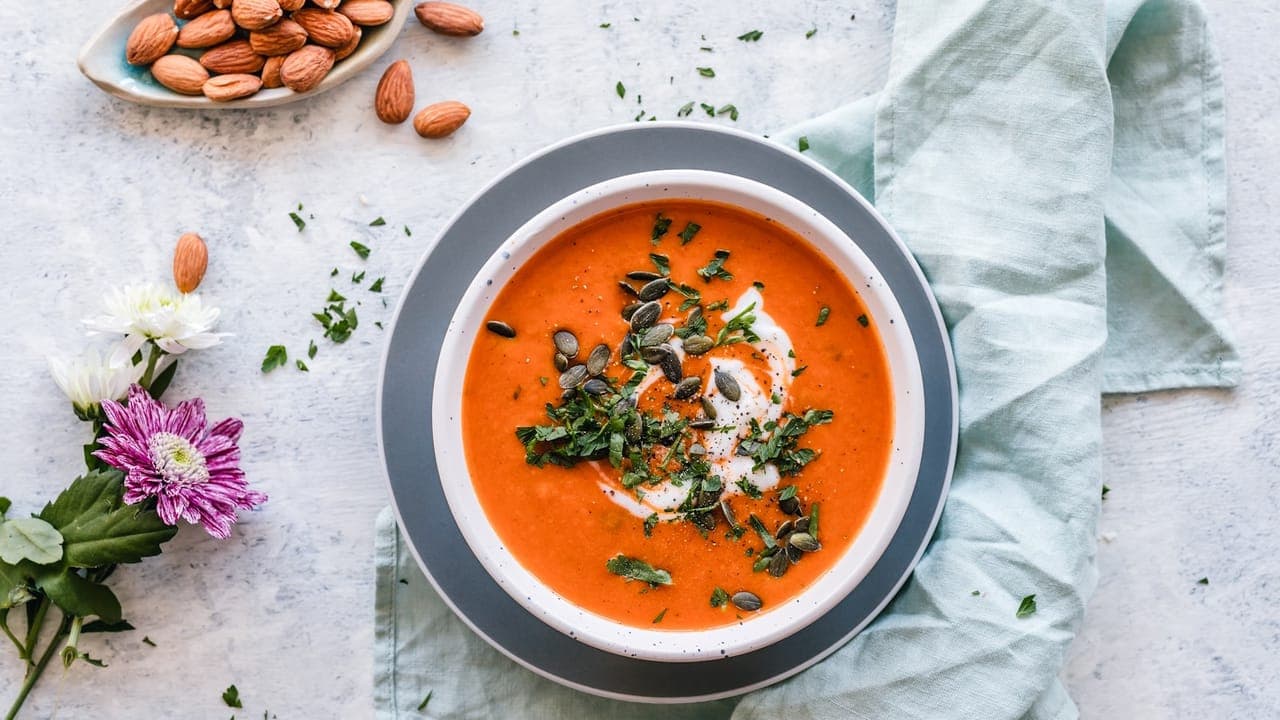
Hearty Budget Lentil Soup
A rich, warming lentil soup packed with vegetables and Mediterranean spices, ready in 40 minutes for just $0.75 per serving. Perfect for meal prep and freezer-friendly. This budget lentil soup guide includes practical budget tips, clear timing, ingredient swaps, and make-ahead advice for reliable results on busy weeknights.
 dinner
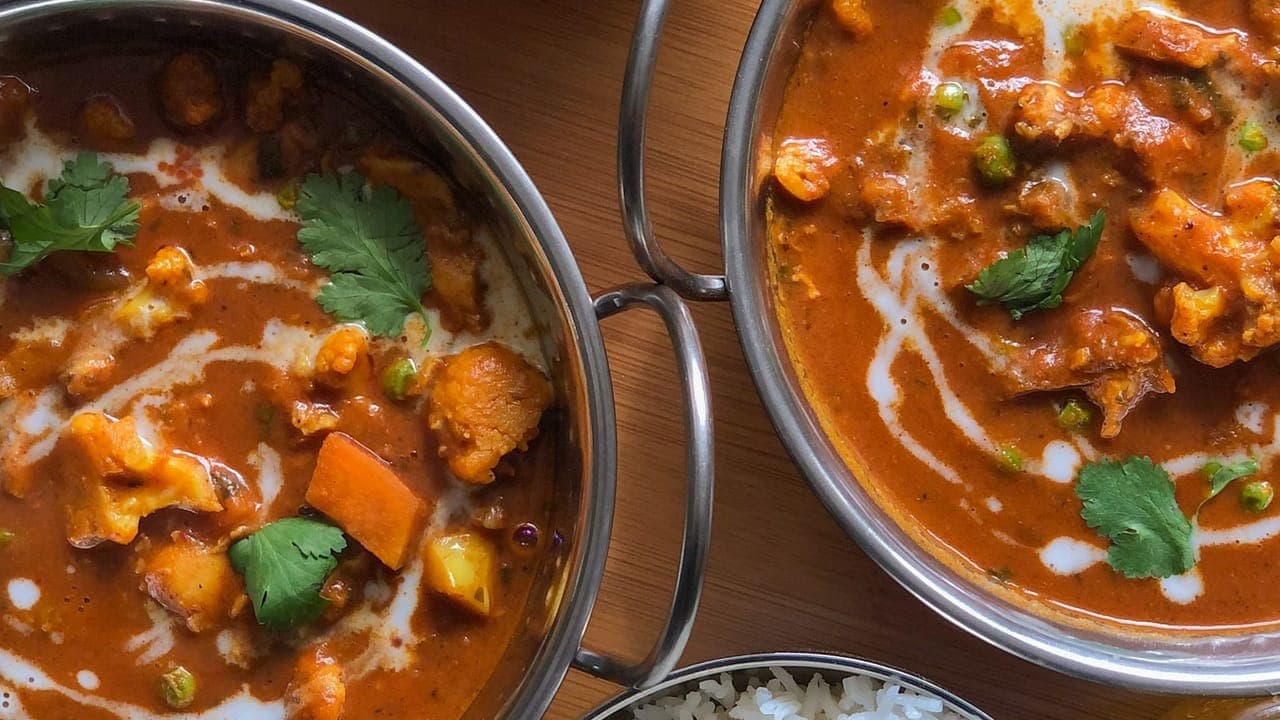
Easy 20-Minute Chickpea Curry
A creamy, aromatic chickpea curry made with pantry staples and coconut milk, ready in just 20 minutes for $1.00 per serving. A vegetarian dinner the whole family will love. This budget chickpea curry guide includes practical budget tips, clear timing, ingredient swaps, and make-ahead advice for reliable results on busy weeknights.
 breakfast
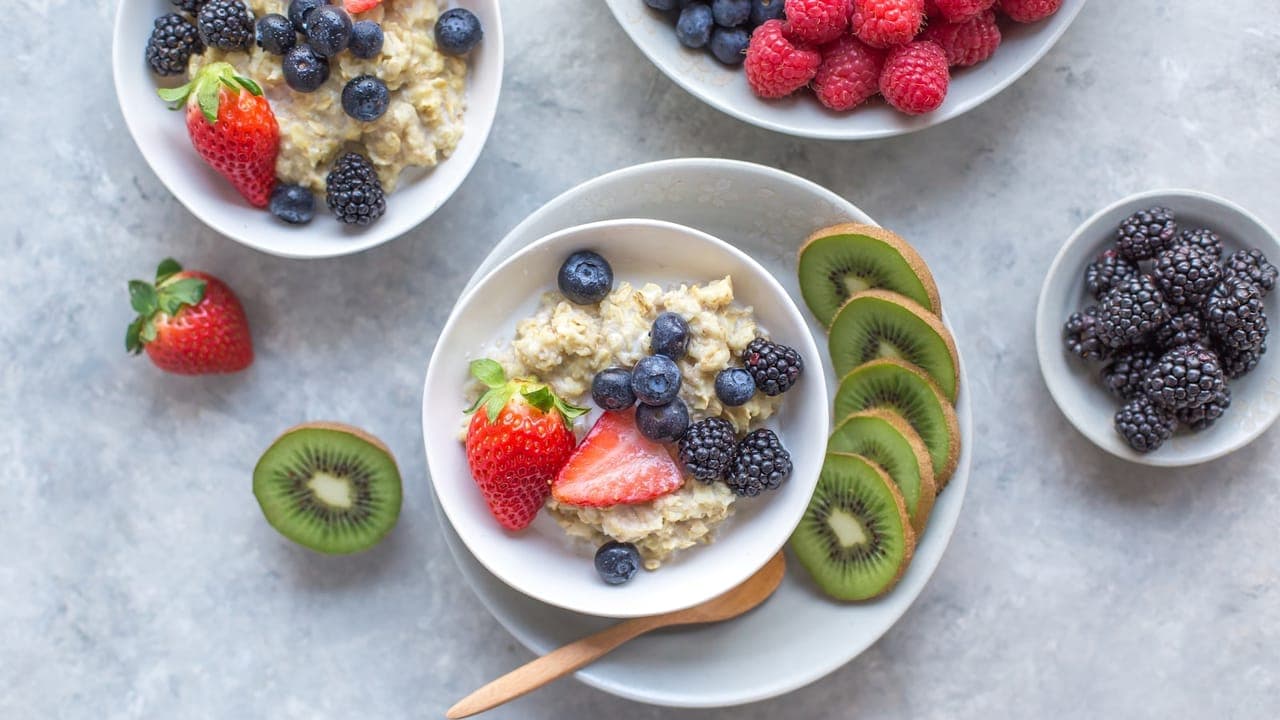
Budget Overnight Oats
Creamy, no-cook overnight oats you can prep in 5 minutes the night before. Customize with your favorite toppings for a healthy breakfast that costs just $0.75 per serving. This overnight oats recipe guide includes practical budget tips, clear timing, ingredient swaps, and make-ahead advice for reliable results on busy weeknights.
Related Articles

HomeMealHacks Team
We're a team of home cooks passionate about making delicious food accessible to every budget. Every recipe is tested, costed, and designed to save you money without sacrificing flavor.
Get Weekly Budget Meal Plans
Join thousands of home cooks saving money with our free weekly meal plans and grocery lists.