

10 Cheap High-Fiber Dinner Ideas Under $3 Per Serving (2026)
10 Cheap High-Fiber Dinner Ideas Under $3 Per Serving (2026)
These cheap high-fiber dinner ideas are built for real weeknights: each one lands around $1.35 to $3.00 per serving, most take 15 to 35 minutes, and all use practical grocery-store ingredients like beans, lentils, rice, and frozen vegetables. If you want meals that are filling, budget-friendly, and simple enough to repeat, this roundup gives you exact costs, exact minutes, and clear prep strategy.
When budgets are tight, the best dinner plans solve three problems at once: cost, satiety, and consistency. Fiber helps with all three because it makes meals more filling and usually comes from lower-cost staples. You do not need expensive powders or trendy products to eat this way.
For pricing context, USDA ERS updates the Food Price Outlook with current category-level food inflation forecasts. For food safety timing, use the FoodSafety.gov cold storage charts. For broader demand signals, Google Trends continues to show persistent U.S. interest in terms like meal prep and cheap meals (https://trends.google.com/trends/explore?date=all&geo=US&q=meal+prep).
Competitor coverage also confirms strong intent in this lane. Budget Bytes continues to emphasize low-cost dinner content and per-serving pricing in its recipes hub, and mainstream publications are actively covering budget-friendly high-fiber foods and meals.
Why High-Fiber Budget Dinners Work So Well
A typical delivery dinner can cost $12 to $18 per person after fees and tip. Most dinners in this list stay between $1.35 and $3.00 per serving, which creates a savings gap of about $9 to $15 each time you cook at home.
There is also a practical meal-planning benefit: high-fiber ingredients overlap easily. A single grocery run with lentils, chickpeas, onions, carrots, rice, tortillas, and frozen vegetables can cover 4 to 6 dinners with minimal waste.
If you are building a full weekly strategy, this pairs well with Budget Grocery List Under $50 and How to Meal Plan for One Person on $40 a Week.
Cost Benchmarks Used in This Roundup
To keep this post useful, these are the cost assumptions used for estimates:
- Dry lentils (1 lb): $1.50 to $2.50
- Canned beans: $0.90 to $1.35
- Rice (store brand): $0.60 to $1.10 per cooked-meal portion base
- Onions and carrots: $0.25 to $0.80 per serving contribution
- Frozen vegetables: $0.60 to $1.25 per serving
- Tortillas: $0.20 to $0.45 each
In higher-cost cities, add about $0.30 to $0.90 per serving. In lower-cost stores with sales, subtract roughly $0.20 to $0.60.
10 Cheap High-Fiber Dinner Ideas to Rotate This Week
1. Lentil Soup
Estimated cost: $1.35 to $2.10 per serving
Time: 35 to 45 minutes total, 12 minutes active
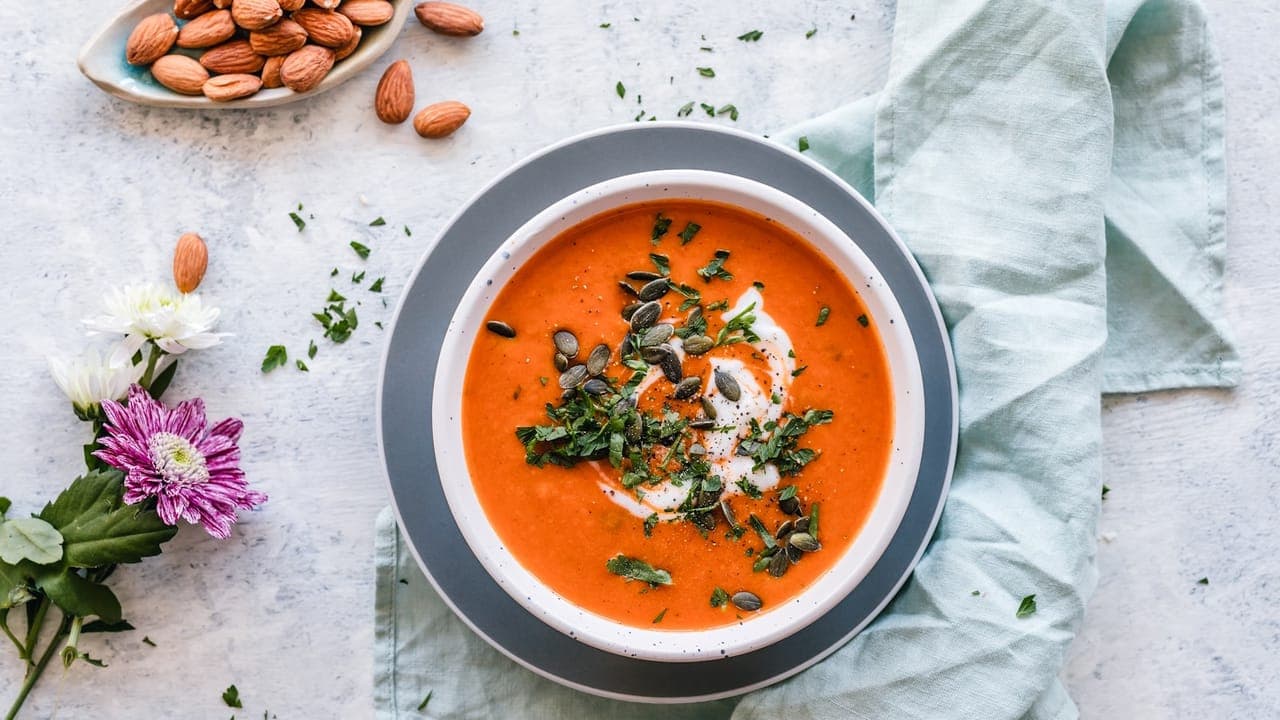
Lentil soup is one of the highest-value fiber dinners you can make because dry lentils are inexpensive, shelf-stable, and forgiving to cook. This recipe works for meal prep since the flavor improves after 24 hours and reheats in about 6 to 8 minutes. Add toast or rice when you need a heavier dinner and still stay near a $2.50 total plate.
2. Chickpea Curry
Estimated cost: $1.70 to $2.60 per serving
Time: 25 to 35 minutes
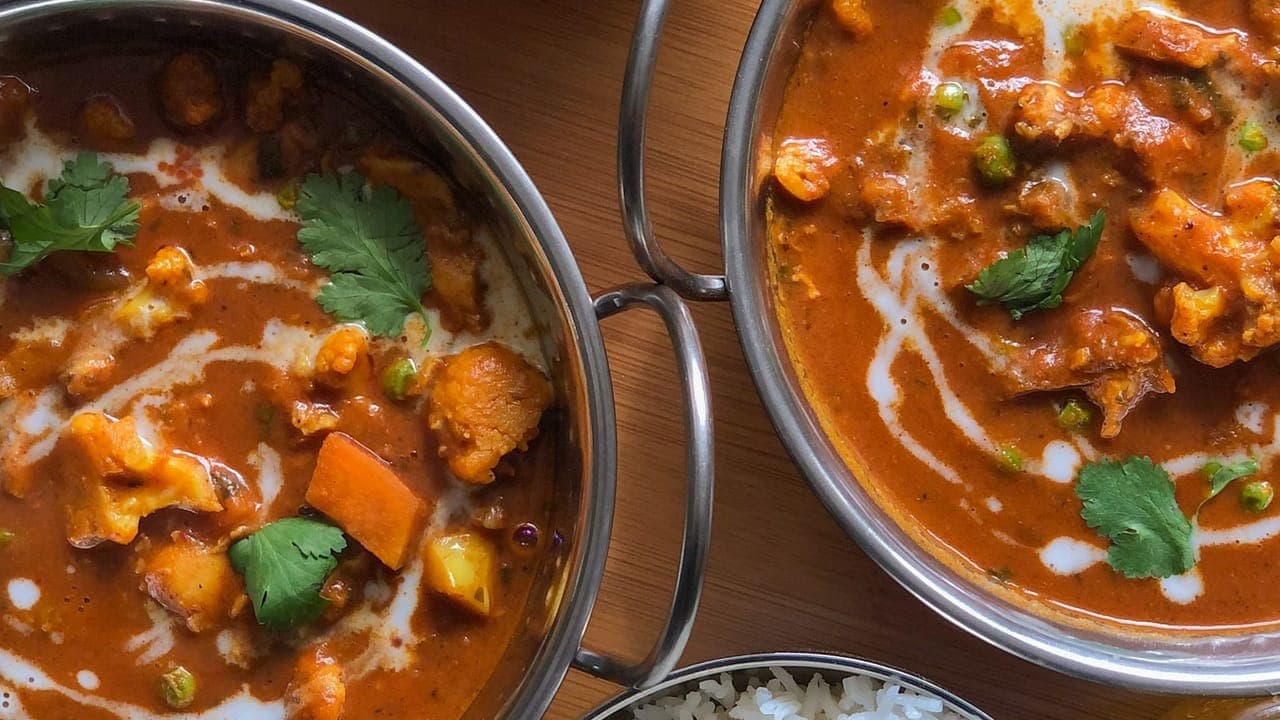
Chickpea curry is ideal for busy nights because canned chickpeas and pantry spices do most of the work. You get a high-fiber, high-satiety bowl without using expensive protein cuts, and leftovers hold well for 3 to 4 days in the fridge. Serve over rice to stretch portions and keep your dinner cost predictable.
3. Black Bean Quesadillas
Estimated cost: $1.45 to $2.40 per serving
Time: 15 to 20 minutes
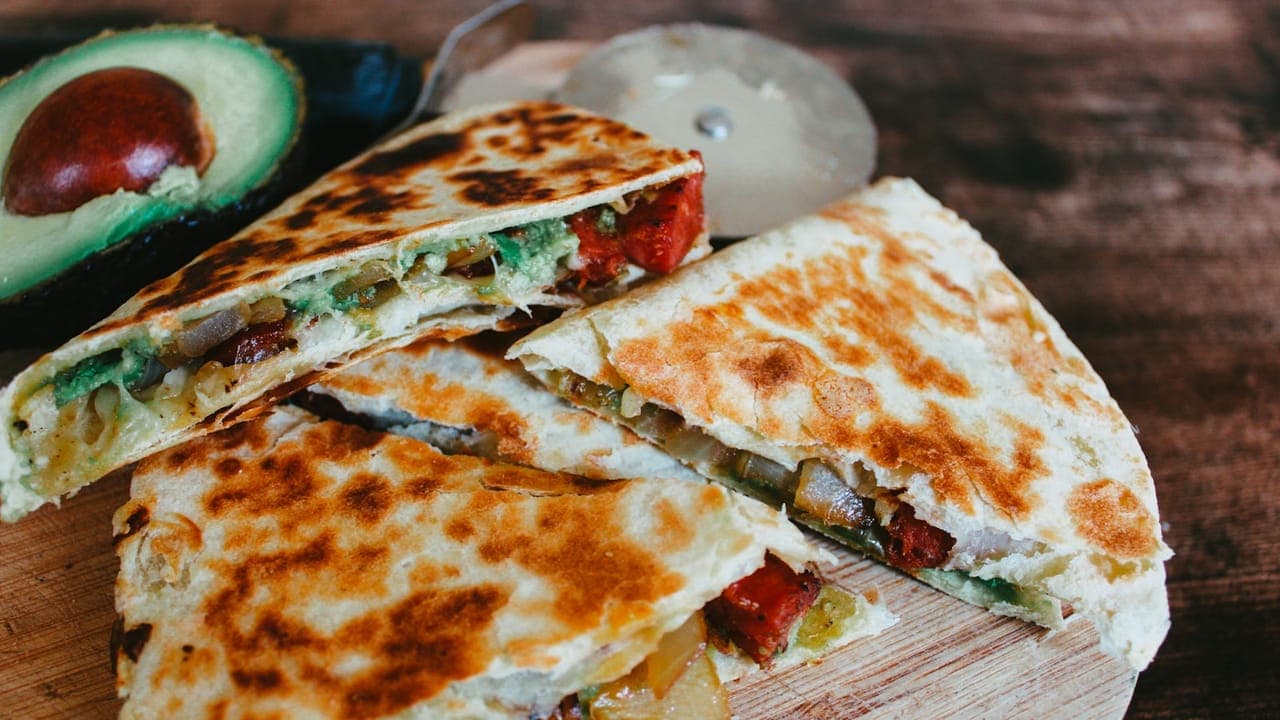
Black bean quesadillas are a strong "low energy" dinner because they cook fast and use cheap ingredients most people already have. Beans provide fiber and protein, and tortillas keep total meal cost low even when you add cheese. Pair with salsa and shredded cabbage for extra fiber at roughly $0.40 to $0.80 more per serving.
4. One-Pan Budget Lasagna Soup
Estimated cost: $1.95 to $2.90 per serving
Time: 30 to 40 minutes
This recipe gives comfort-food flavor while still fitting a weeknight budget. Adding beans or extra vegetables is an easy way to increase fiber without pushing cost above $3.00 in most stores. It is also a practical batch-cook option: one pot can cover dinner plus one or two lunches.
5. Taco Soup
Estimated cost: $1.80 to $2.85 per serving
Time: 30 to 35 minutes
Taco soup is one of the easiest high-fiber dinners to customize based on sales. You can swap bean types, use frozen corn, and adjust spice levels without changing the core method. If you prep a double batch, expect about 10 minutes to reheat each leftover meal.
6. Dense Bean Salad Pita Pockets
Estimated cost: $1.60 to $2.50 per serving
Time: 12 to 15 minutes
This no-cook option is useful when you need dinner without turning on the stove. The bean base gives strong fiber per dollar, and pita pockets make portions easy for work lunches the next day. Keep dressing separate until serving if you meal prep 2 to 3 portions ahead.
7. Chickpea Spinach Garlic Pasta
Estimated cost: $1.85 to $2.95 per serving
Time: 20 to 30 minutes
Pasta nights can still be fiber-forward when legumes and greens are the center of the plate. This recipe balances comfort and budget while keeping prep simple enough for weeknights. Add frozen spinach when fresh is expensive and keep flavor high with garlic and lemon.
8. One-Pan Taco Rice Skillet
Estimated cost: $1.90 to $3.00 per serving
Time: 25 to 35 minutes
This is a practical family-style dinner that stretches meat with rice and beans. If your grocery prices spike for beef, reduce meat by 25% and add extra beans to keep both fiber and satiety high while trimming about $0.30 to $0.70 per serving. Leftovers reheat well for 2 to 3 lunches.
9. Vegetable Fried Rice
Estimated cost: $1.40 to $2.25 per serving
Time: 15 to 20 minutes
Vegetable fried rice is a budget classic because day-old rice plus frozen vegetables turns into dinner quickly. For a higher-fiber version, add peas, carrots, cabbage, or extra mixed vegetables and keep sauce simple. This is also a strong "end-of-week" cleanup meal that reduces food waste.
10. White Chicken Chili
Estimated cost: $2.20 to $3.00 per serving
Time: 35 to 45 minutes
White chicken chili is a good bridge meal if your household wants meat-based dinners but still needs more fiber. Beans provide most of the fiber load, so you can moderate meat portions and keep costs in check. Serve with cabbage slaw or a simple side salad to push fiber higher without adding much prep.
A 3-Night High-Fiber Budget Rotation (Under $25 Total)
If planning from scratch feels overwhelming, use this simple 3-night block and repeat.
Night 1
- Lentil Soup
- Toast or rice side
- Cost: about $1.70 per serving
- Time: 40 minutes total
Night 2
- Black Bean Quesadillas
- Cabbage + salsa side
- Cost: about $2.05 per serving
- Time: 20 minutes total
Night 3
- Chickpea Curry
- Rice base
- Cost: about $2.30 per serving
- Time: 30 minutes total
For four servings each night, this block usually lands around $24 to $26 total depending on local pricing, or roughly $2.00 to $2.20 per serving average.
How to Increase Fiber Without Increasing Grocery Spend
Use the 2+1 build rule
Build each dinner with:
- 1 low-cost legume (beans, lentils, chickpeas)
- 1 vegetable add-in (frozen or seasonal)
- 1 affordable carb base (rice, potato, whole-grain bread, or pasta)
This structure keeps most meals in the $1.50 to $3.00 zone while making portions more filling.
Buy shelf-stable first, fresh second
Start your list with shelf-stable and frozen items, then add fresh produce that appears in at least two meals. Example: one bag of onions can be used in soup, curry, and skillet dinners in the same week.
Use planned leftovers
Cook one big-pot dinner every 3 days and assign leftovers before serving. Example: Tuesday taco soup becomes Wednesday lunch and Thursday quick dinner. This reduces both waste and "emergency takeout" spending.
Common Mistakes That Make Budget Fiber Dinners Feel Hard
1. Buying too many one-use ingredients
If a food appears in only one dinner, it increases waste risk. Target ingredients that appear at least twice in your weekly plan.
2. Relying on expensive convenience packs
Pre-portioned "healthy" kits can push dinner costs above $4 to $7 per serving quickly. Use them occasionally, but keep your base meals around bulk beans, grains, and vegetables.
3. Jumping fiber too fast
If your normal dinner is low-fiber, going straight to very high-fiber meals can feel rough. Increase over 7 to 14 days and drink enough fluids so the transition stays comfortable.
4. Skipping time estimates in your plan
If you do not assign real minutes, weekday cooking feels unpredictable. Use 15-, 25-, and 40-minute dinner categories so you can match meals to your schedule.
Quick Grocery List for 5 High-Fiber Dinners
This sample list covers about 5 dinner builds for 2 people and usually costs $32 to $48 depending on store and region.
- Dry lentils, 1 lb: $1.50 to $2.50
- Canned black beans, 2 cans: $1.80 to $2.70
- Canned chickpeas, 2 cans: $1.80 to $2.70
- Rice, 2 lb: $2.50 to $4.50
- Tortillas, 8 to 10 count: $2.00 to $3.50
- Onions, 2 lb: $1.80 to $3.00
- Carrots, 2 lb: $1.80 to $3.00
- Frozen mixed vegetables, 2 bags: $2.50 to $4.50
- Cabbage: $1.80 to $3.00
- Tomato products + broth + spices top-up: $8.00 to $14.00
- Optional chicken or ground meat add-in: $6.00 to $10.00
If this exceeds your target, remove the optional meat add-in first and increase beans or lentils.
Final Takeaway
Cheap high-fiber dinners work best when you treat them as a repeatable system, not a one-off recipe hunt. Focus on 3 to 5 core meals, keep each in the $1.50 to $3.00 range, and track actual prep time for one week.
Start with two recipes from this list tonight, then add one more next week. That pace is fast enough to lower grocery stress and slow enough to stay sustainable.
Frequently Asked Questions
What is a realistic fiber target for dinner if I am eating on a budget?▾
A practical target is about 8 to 15 grams of fiber at dinner, which helps most adults move toward daily intake goals without relying on expensive specialty foods. You can usually hit that range with one legume, one vegetable, and one whole-grain or potato-based carb for about $1.50 to $3.00 per serving. If your current intake is low, increase fiber gradually and drink more water so digestion stays comfortable.
What are the cheapest high-fiber foods to build dinner around?▾
Dry lentils, canned beans, oats, brown rice, cabbage, carrots, and frozen vegetables are usually the best value picks in U.S. grocery stores. In many stores, lentils and beans provide some of the lowest cost-per-gram fiber options while also adding protein. Buying store brands and larger bag sizes can lower weekly cost by about $4 to $12 depending on your household size.
Can I meal prep high-fiber dinners without spending all Sunday cooking?▾
Yes. A 60 to 90 minute prep block is enough for most people if you focus on one soup or curry, one skillet meal, and one no-cook backup dinner. This usually cuts weeknight cooking time to about 10 to 20 minutes and reduces takeout spending by roughly $15 to $35 per week. Keep prep windows short and repeatable so the routine is sustainable.
Are high-fiber dinners still affordable if grocery prices rise?▾
They can be, especially if your plan leans on beans, lentils, rice, oats, and frozen produce instead of convenience foods. USDA ERS Food Price Outlook data shows food price movement can vary by category, so budget-friendly meal plans work best when you can swap ingredients week to week. Keep two or three backup proteins and carb bases so you can pivot when one item spikes in price.
How do I avoid stomach discomfort when increasing fiber quickly?▾
Increase intake over 1 to 2 weeks instead of jumping from low-fiber meals to very high-fiber meals overnight. Pair fiber-heavy dinners with adequate fluids and keep portions moderate at first, then scale up as tolerated. A gradual approach is more comfortable and makes it easier to stick with your budget meal plan.
Recipes From This Post
 soups-stews
Hearty Budget Lentil Soup
A rich, warming lentil soup packed with vegetables and Mediterranean spices, ready in 40 minutes for just $0.75 per serving. Perfect for meal prep and freezer-friendly. This budget lentil soup guide includes practical budget tips, clear timing, ingredient swaps, and make-ahead advice for reliable results on busy weeknights.
 dinner
Easy 20-Minute Chickpea Curry
A creamy, aromatic chickpea curry made with pantry staples and coconut milk, ready in just 20 minutes for $1.00 per serving. A vegetarian dinner the whole family will love. This budget chickpea curry guide includes practical budget tips, clear timing, ingredient swaps, and make-ahead advice for reliable results on busy weeknights.
 lunch
lunchCrispy Black Bean Quesadillas
Perfectly crispy black bean quesadillas loaded with melted cheese and warm spices. A vegetarian lunch ready in 15 minutes for just $1.10 per serving.
 soups-stews
One-Pan Budget Lasagna Soup
One-Pan Budget Lasagna Soup delivers cozy, cheesy flavor in 30 minutes with pantry staples, tender noodles, and ricotta swirls for about $2.65 per serving.
 lunch
lunchDense Bean Salad Pita Pockets
Dense Bean Salad Pita Pockets deliver crunchy, zesty plant protein in just 15 minutes for around $1.86 per serving, making budget lunches fast and satisfying.
Related Articles
The Complete Budget Grocery List Under $50
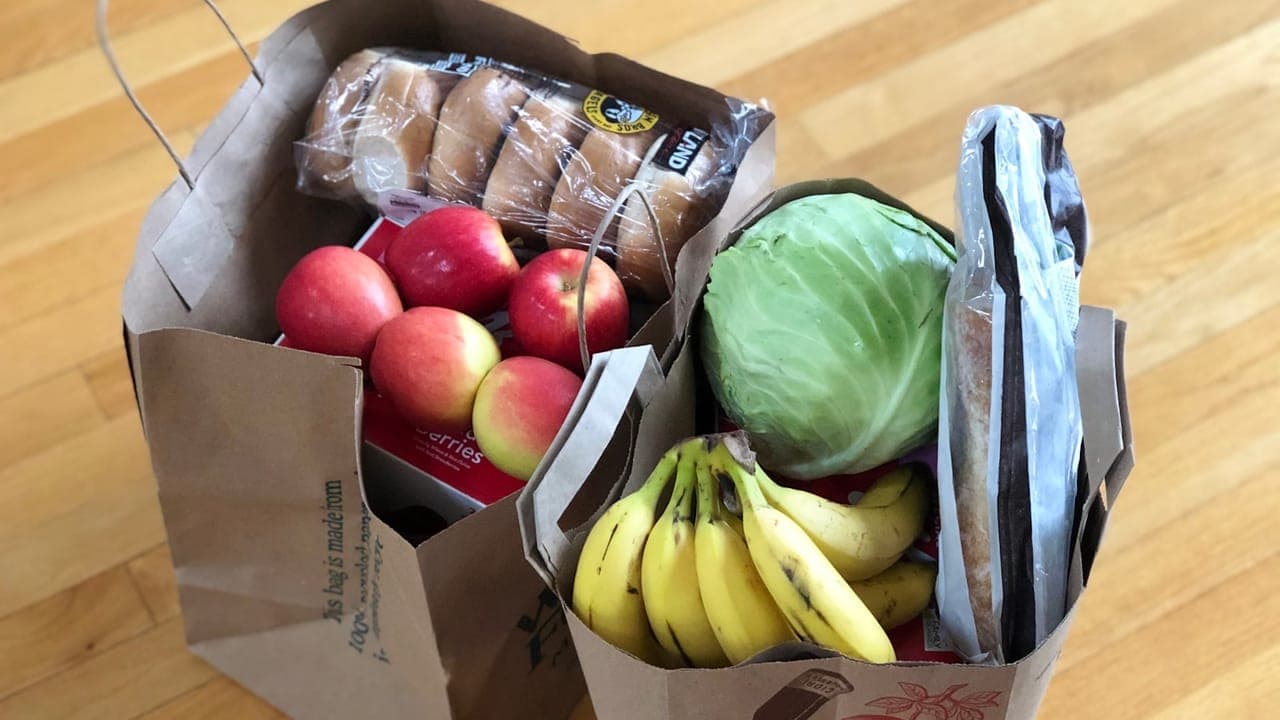
Build a practical budget grocery list under 50 dollars with this weeklong plan for affordable breakfasts, lunches, and dinners. Use overlapping ingredients, store-brand staples, and low-waste prep to stretch every dollar.
February 12, 2026

How to Meal Plan for One Person on $40 a Week (2026 Practical Guide)
How to meal plan for one person on $40 a week with a practical grocery list, exact meal costs, prep steps, and low-waste ideas for budget cooking in 2026.
April 17, 2026
HomeMealHacks Team
We're a team of home cooks passionate about making delicious food accessible to every budget. Every recipe is tested, costed, and designed to save you money without sacrificing flavor.
Get Weekly Budget Meal Plans
Join thousands of home cooks saving money with our free weekly meal plans and grocery lists.